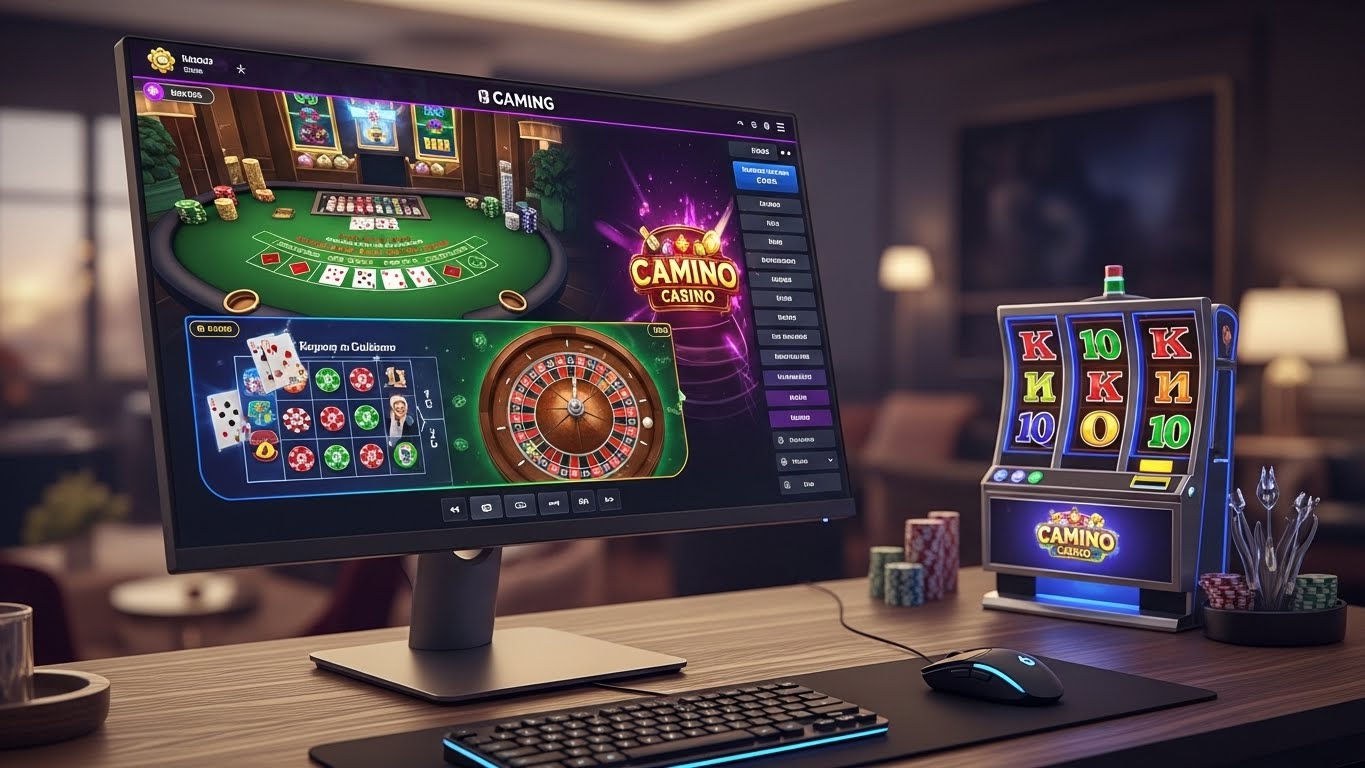


The world of iGaming, or online gaming, has seen rapid growth over the past decade, with millions of players around the globe flocking to virtual casinos, betting platforms, and online gaming sites. As technology continues to evolve and regulatory landscapes shift, the future of iGaming appears even more dynamic, offering new opportunities and challenges for both players and operators. In this blog post, we will explore the emerging trends, the challenges facing the iGaming industry, and the opportunities that lie ahead.
What is iGaming?
iGaming refers to the act of gambling or betting via the internet. It encompasses a wide range of online games, including online casinos, poker, sports betting, esports, and even virtual reality-based gaming experiences. The iGaming industry has grown significantly in recent years, driven by factors such as the proliferation of mobile devices, advancements in internet connectivity, and changing attitudes toward online gambling.
In many regions, iGaming is legally regulated, with operators required to obtain licenses and adhere to strict rules designed to ensure fairness, security, and responsible gaming. While there are still countries where online gambling is restricted or outright banned, the global trend is toward more liberalized and regulated markets.
The Rise of Mobile Gaming
One of the most significant developments in the iGaming sector is the rise of mobile gaming. With the increasing number of smartphones and tablets, players now have the convenience of enjoying their favorite casino games, sports betting, and poker from virtually anywhere. Mobile apps have revolutionized the gaming experience, allowing users to access their accounts, deposit funds, and place bets with just a few taps on their screen.
Mobile gaming has also led to an increased focus on user experience (UX) design. Operators are investing heavily in developing sleek, user-friendly interfaces that make it easier for players to navigate their platforms. Moreover, mobile platforms offer the flexibility of playing on the go, making iGaming more accessible and appealing to a broader audience.
Virtual Reality (VR) and Augmented Reality (AR) in iGaming
Virtual reality (VR) and augmented reality (AR) are two technologies that are expected to have a profound impact on the future of iGaming. VR creates an immersive digital environment that can simulate the experience of being in a physical casino or betting arena. By using VR headsets, players can interact with games in a fully immersive, 3D environment that mimics real-world interactions.
AR, on the other hand, overlays digital elements onto the real world, enhancing the player’s perception and experience. For example, in online poker, AR could allow players to see virtual poker tables and cards in their real-world surroundings, further bridging the gap between physical and virtual gaming.
These technologies are still in their infancy, but they have the potential to transform the iGaming industry by offering players a more engaging and interactive experience. As VR and AR technologies mature, it’s likely that we will see more operators incorporating these features into their platforms, opening up exciting new possibilities for both players and developers.
Cryptocurrency and Blockchain in iGaming
Cryptocurrency and blockchain technology are increasingly being integrated into the iGaming sector. Cryptocurrencies like Bitcoin, Ethereum, and others offer a decentralized and secure means of conducting financial transactions. This is particularly appealing to online gamers who value privacy and anonymity in their gambling activities.
Blockchain, the technology behind cryptocurrencies, offers transparency and immutability, which can help improve trust in the fairness of online games. For example, provably fair gaming uses blockchain to verify the randomness and fairness of game outcomes, giving players confidence that they are not being cheated.
Cryptocurrency-based casinos are gaining popularity because they allow for faster transactions, lower fees, and a higher degree of security. Additionally, the ability to make deposits and withdrawals in cryptocurrency can help players bypass traditional banking systems, especially in countries where access to financial services is limited.
The Role of Artificial Intelligence in iGaming
Artificial intelligence (AI) is becoming an integral part of the iGaming industry, playing a key role in everything from personalized gaming experiences to fraud detection. AI can analyze vast amounts of data to predict player behavior, identify patterns, and offer tailored recommendations or bonuses.
For example, AI-powered systems can monitor gameplay in real time to detect signs of problem gambling, such as unusually high spending or extended playing sessions. These systems can then alert operators to intervene and offer support to the player before they fall into harmful gambling habits.
In terms of game development, AI is being used to create smarter, more engaging games that adapt to players’ preferences. AI-powered virtual dealers, chatbots, and even opponents in competitive games can respond dynamically to player actions, enhancing the overall gaming experience.
Regulatory Changes and the Need for Responsible Gaming
As the iGaming industry grows, regulatory oversight becomes increasingly important. Many countries are adopting stricter regulations to protect players from gambling-related harm and ensure that operators are held accountable for fair practices. Governments are also focusing on issues such as age verification, anti-money laundering (AML) measures, and responsible gambling protocols.
In particular, the issue of responsible gambling has become a priority for both regulators and operators. Online casinos and betting platforms are now required to implement tools such as self-exclusion options, deposit limits, and time-tracking features to help players maintain control over their gaming habits. Additionally, many operators are incorporating responsible gaming education and resources directly into their platforms to raise awareness and provide support.
One of the ongoing challenges for regulators is keeping pace with the rapid evolution of the iGaming sector. As new technologies like VR, AR, and cryptocurrency continue to emerge, lawmakers must ensure that regulations remain relevant and effective in promoting safe, responsible gaming practices.
The Global iGaming Market: Regional Trends
The iGaming industry is global, but there are notable regional differences in terms of popularity, regulation, and market potential. For example, Europe has been at the forefront of iGaming regulation, with countries like the United Kingdom, Malta, and Gibraltar offering well-established licensing frameworks for operators. These regions also have large, active player bases and high levels of competition among operators.
In contrast, the United States has traditionally had stricter regulations surrounding online gambling, although the landscape is changing. In 2018, the U.S. Supreme Court overturned a federal ban on sports betting, paving the way for individual states to legalize and regulate sports wagering. This has led to a surge in online sports betting across the country, with other forms of iGaming, such as online casinos, beginning to gain traction in states like New Jersey, Pennsylvania, and Michigan.
Asia presents both challenges and opportunities for iGaming operators. While many countries in the region have strict laws governing online gambling, markets like Macau and the Philippines are major hubs for both land-based and online gaming. Meanwhile, emerging markets in Southeast Asia and India are witnessing rapid growth in mobile gaming, particularly in casual gaming and esports betting.
Esports: The New Frontier of iGaming
Esports is another area where iGaming is seeing significant growth. Esports, or competitive video gaming, has exploded in popularity over the past few years, with major tournaments and leagues attracting millions of viewers worldwide. This has opened up new opportunities for operators to offer betting services on esports events, as well as create virtual arenas for players to compete in.
Esports betting differs from traditional sports betting in several ways. While traditional sports betting focuses on real-world events, esports betting revolves around virtual competitions that take place within online games. This introduces new dynamics, such as betting on player performance, team strategies, and in-game events. Esports betting has the potential to become a massive industry in its own right, particularly as the esports ecosystem continues to expand globally.
Conclusion: A Thriving and Evolving Industry
The iGaming industry is at an exciting crossroads, with new technologies and evolving regulations shaping its future. The rise of mobile gaming, the integration of VR and AR, the adoption of blockchain and cryptocurrency, and the influence of AI are all set to redefine the player experience and the way operators do business. As the industry continues to grow, there will be significant opportunities for innovation, but also challenges that need to be addressed, such as regulatory compliance, responsible gambling, and market saturation.
For operators, staying ahead of the curve by adopting new technologies and embracing changing consumer behaviors will be key to long-term success. At the same time, maintaining a focus on player safety, fairness, and transparency will be essential for fostering trust and building sustainable relationships with users.
As the iGaming sector matures, it will likely continue to blend entertainment, technology, and gambling in innovative ways, creating an ever-more immersive experience for players around the world. With the right balance of innovation and regulation, the future of iGaming looks bright, offering new opportunities for both operators and players alike.