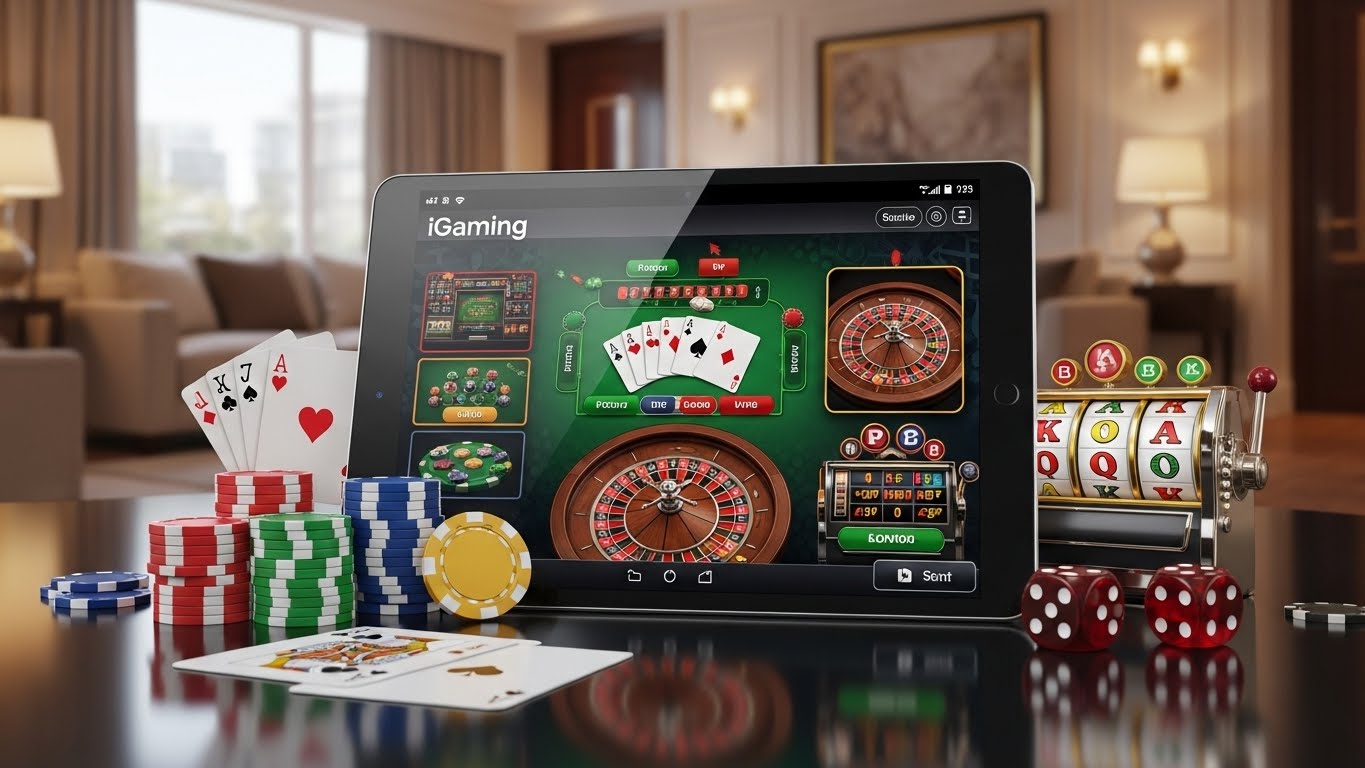


The iGaming industry, also known as online gaming or internet gambling, has grown exponentially over the last decade. What started as a niche market for poker enthusiasts and a handful of online casino games has evolved into a global entertainment powerhouse, with millions of players worldwide. Today, iGaming includes a wide array of online casinos, sports betting platforms, and virtual games, all available at the click of a button. This blog post will explore the evolution of iGaming, the technologies shaping its growth, current trends in the market, and the future prospects of the industry.
What is iGaming?
Before diving into the growth and trends of iGaming, it’s essential to define what it encompasses. iGaming refers to all forms of gambling that are conducted online. This includes activities like:
- Online casinos (slots, table games, etc.)
- Sports betting (both traditional sports and esports)
- Online poker
- Virtual sports and gaming
- Bingo, lottery, and scratch cards
The rise of the internet and mobile technology has allowed the iGaming sector to flourish, offering both recreational and professional gamblers an accessible and convenient platform to enjoy their favorite games and place bets.
The Evolution of iGaming
iGaming has undergone several stages of transformation. The initial phase, dating back to the late 1990s, was marked by the emergence of the first online casinos and poker rooms. As technology progressed and internet access became more widespread, the industry rapidly expanded.
1. The Early Days (1990s to Early 2000s)
The first online gambling websites emerged in the mid-1990s, with the launch of online casinos and sports betting platforms. The advent of secure online payment systems, such as credit card processing and digital wallets, allowed gamblers to make deposits and withdrawals safely. This period saw the rise of brands like Microgaming, Playtech, and Cryptologic, who provided the software that powered these early sites.
Online poker also became popular during this time, thanks in part to the launch of platforms like PokerStars and PartyPoker. These poker sites gained massive traction, helping establish online gambling as a legitimate and exciting alternative to traditional brick-and-mortar casinos.
2. The Mobile Revolution (2000s to Early 2010s)
As mobile phones became more advanced, the iGaming industry took full advantage of this shift. By the late 2000s, mobile gaming started to gain momentum, allowing players to gamble anywhere, anytime, using their smartphones and tablets. Mobile apps made it even easier to play casino games, bet on sports, and participate in live dealer games.
This was also the period when social gaming and free-to-play games began to merge with real-money gambling. Platforms like Facebook and later, mobile app stores, enabled social casinos that allowed players to interact with friends while playing virtual slots and poker games.
3. Live Dealer Games and Advanced Technology (2010s to Present)
One of the key advancements in iGaming technology came in the form of live dealer games. These games, which simulate the experience of playing in a physical casino with real dealers, have become a mainstay in the iGaming industry. With high-definition streaming, players can now enjoy real-time gameplay from the comfort of their homes, with all the excitement of a brick-and-mortar casino.
Simultaneously, the use of advanced technologies like Artificial Intelligence (AI), machine learning, and blockchain has started to reshape the landscape of online gaming. AI is used for everything from personalized game recommendations to fraud detection and responsible gambling tools. Blockchain, on the other hand, offers a decentralized and transparent way to manage transactions and ensure fairness in gaming.
Current Trends in the iGaming Industry
The iGaming sector is constantly evolving, and several trends are currently shaping its future. Let’s take a look at some of the most significant trends impacting the industry today.
1. Esports Betting
Esports has seen a massive rise in popularity over the past few years, and with it, the growth of esports betting. Online gambling platforms are increasingly offering esports betting markets, where players can wager on competitive video gaming tournaments, such as League of Legends, Dota 2, and Counter-Strike: Global Offensive (CS:GO).
Esports betting appeals to a younger demographic, with players not just placing bets on traditional sports but also on virtual competitions. The integration of esports into the iGaming industry is expected to keep growing as the gaming world becomes even more mainstream.
2. Virtual Reality and Augmented Reality
Virtual Reality (VR) and Augmented Reality (AR) are technologies that have long been associated with gaming, but they are now making their way into the iGaming industry as well. VR casinos provide players with an immersive experience, where they can walk around virtual casinos, play slots, and interact with other players in real-time.
AR has also been applied in sports betting, where augmented features such as live statistics, player data, and odds are overlaid on real-world sports events. As these technologies continue to mature, it is likely that iGaming will evolve into a more immersive and interactive experience for players.
3. Cryptocurrencies and Blockchain Technology
Cryptocurrencies like Bitcoin, Ethereum, and others have found a home in the iGaming industry. Many online casinos and betting sites now offer the option to deposit, withdraw, and place bets using cryptocurrency. Cryptos offer faster transaction times, greater anonymity, and the ability to avoid traditional banking fees, which has attracted many players.
Blockchain technology, which underpins cryptocurrencies, is also being used for transparency and security. Blockchain’s decentralized nature ensures that gambling transactions are verifiable and transparent, which can help combat fraud and build trust between players and operators.
4. Gamification and Social Interaction
Gamification is the process of incorporating game-like elements into non-game environments to enhance user engagement. In the context of iGaming, this includes the introduction of features like loyalty points, achievements, leaderboards, and missions. By adding these elements, online gambling platforms can create a more engaging experience for players, encouraging them to return and keep playing.
Moreover, the social aspect of gaming is becoming more pronounced. Many online casinos now offer live chat features, multiplayer games, and even tournaments where players can interact with one another. This trend is especially important for online poker and bingo platforms, where social interaction is a big part of the appeal.
5. Mobile Gaming Dominance
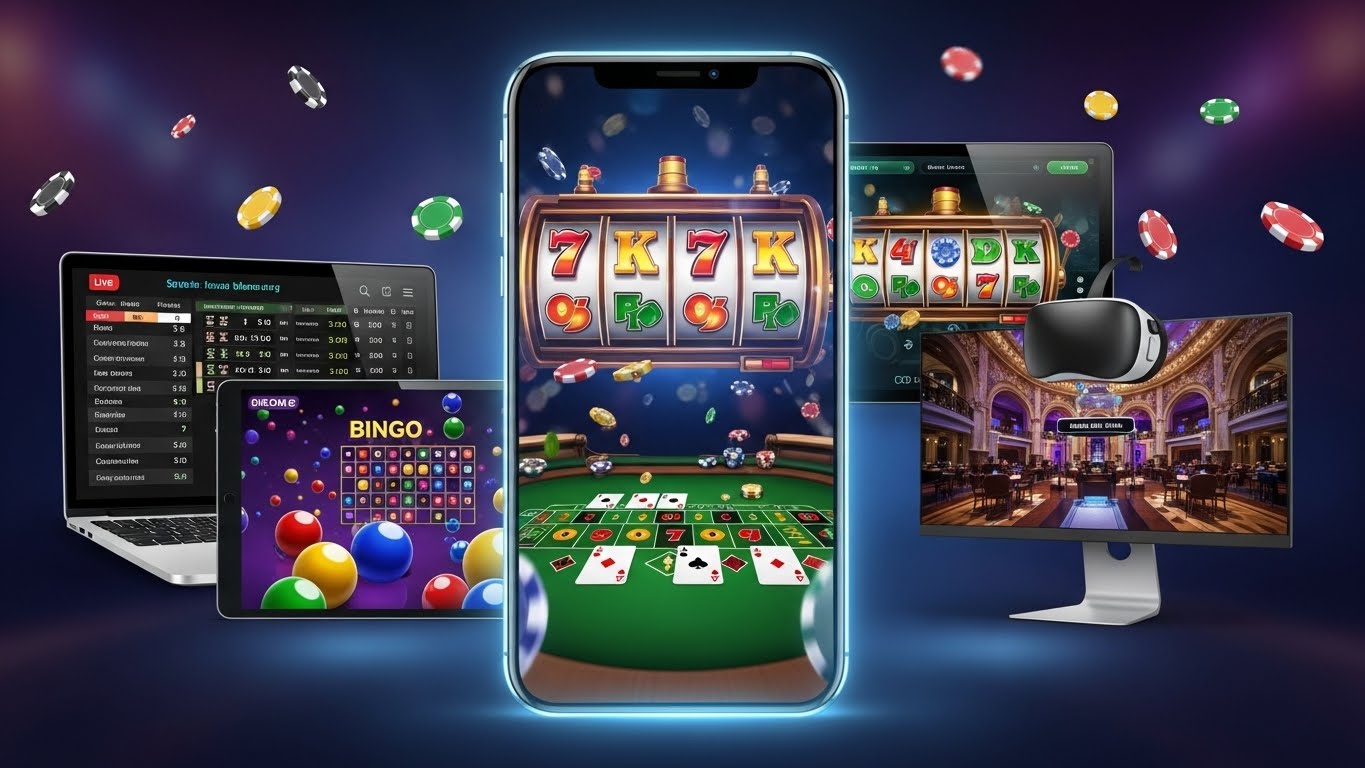
Mobile gaming is no longer just an option – it has become the dominant way that players engage with online casinos and betting platforms. Mobile apps are optimized for touch interfaces, enabling players to access their favorite games with ease. The convenience of mobile gaming means that people can enjoy a quick game of poker or spin the slots while commuting or relaxing at home.
As the global smartphone market grows and mobile internet speeds improve, the dominance of mobile gaming in iGaming will continue to increase.
The Regulatory Landscape of iGaming
One of the major challenges for the iGaming industry is the regulatory environment. The legality of online gambling varies from country to country, and even within regions of the same country. Some jurisdictions have fully legalized online gambling, while others have strict regulations or outright bans. This patchwork of regulations can complicate operations for international operators, leading to issues with compliance, taxation, and market access.
However, the trend toward legalization and regulation is increasing globally. Countries like the UK, Malta, and Gibraltar have established comprehensive regulatory frameworks that ensure fairness, player protection, and tax revenue. Meanwhile, markets such as the United States and Canada are gradually loosening restrictions on online gambling, providing new opportunities for operators.
The Future of iGaming
Looking ahead, the iGaming industry shows no signs of slowing down. The growth of mobile gaming, the rise of new technologies like VR and blockchain, and the increasing popularity of esports betting will continue to drive the industry forward. In particular, the convergence of gaming and social media could lead to more immersive, community-driven experiences for players.
Moreover, the adoption of responsible gambling practices will become more critical as the industry expands. Regulators and operators will need to work together to ensure that players are protected from problem gambling behaviors and that the industry maintains its integrity.
As the market for iGaming continues to mature, players can expect even more innovation, with new gaming experiences, payment methods, and features enhancing the overall experience. The industry’s future seems bright, with increasing consumer demand, greater technological advancements, and ongoing regulatory clarity.
Conclusion
The iGaming industry has come a long way from its humble beginnings, evolving from a small, niche market to a global entertainment phenomenon. As technology continues to advance, the possibilities for innovation within the industry are endless. From esports betting to virtual reality casinos, the future of iGaming promises to be an exciting one for both players and operators alike.
Whether you’re a casual gamer or a seasoned gambler, there’s no doubt that the iGaming industry will continue to provide new and engaging experiences for years to come.