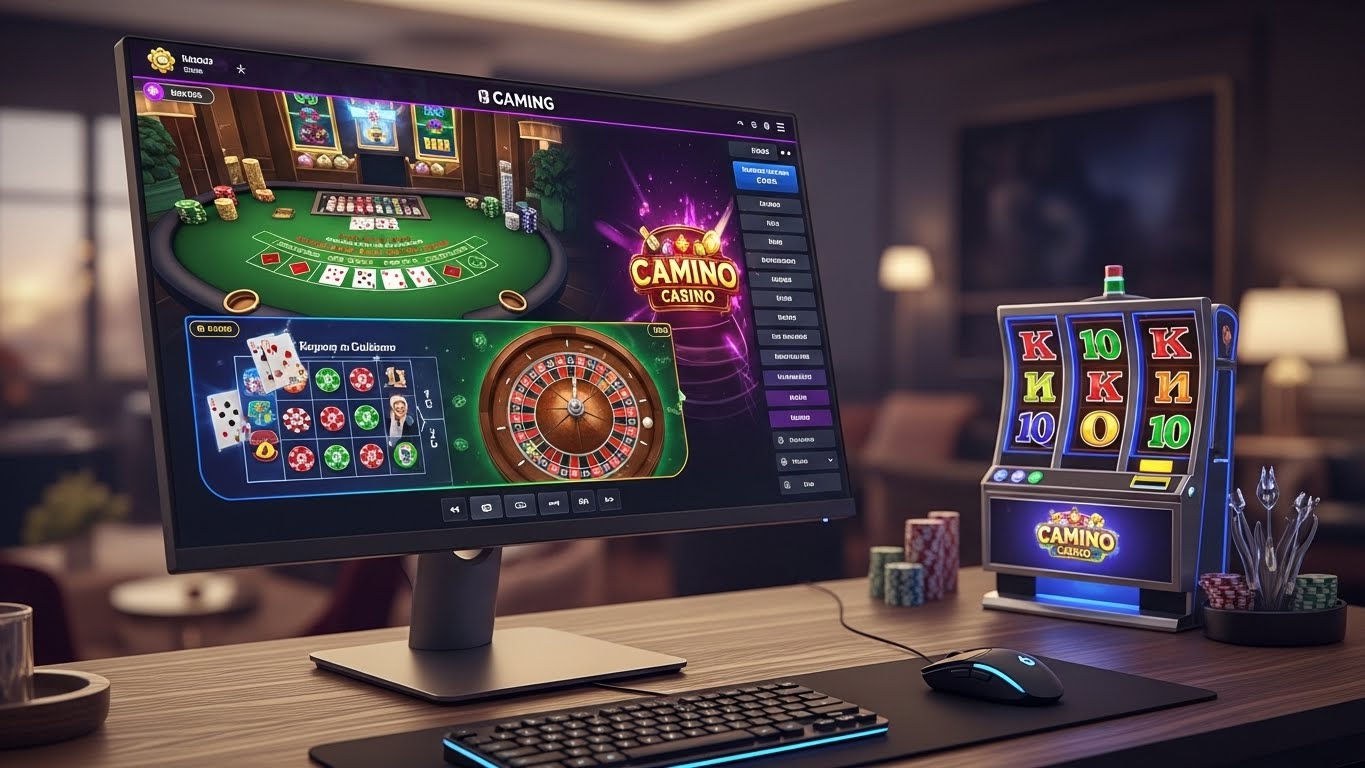


The world of gambling has undergone a monumental transformation in recent years, thanks to the rise of iGaming. What once required a trip to a brick-and-mortar casino is now accessible from the comfort of your own home, or even on the go, with just a smartphone. The rise of iGaming—online gambling through platforms like online casinos, sports betting websites, and virtual poker rooms—has redefined how people engage with games of chance. As technology continues to evolve and digital spaces become more immersive, the iGaming industry continues to grow, attracting millions of players worldwide.
This blog post explores the rise of iGaming, its impact on traditional gambling, the technology driving its growth, and the potential future trends that will continue to shape this industry. We’ll delve into its legal landscape, challenges, and the exciting innovations that make iGaming one of the fastest-growing sectors in the entertainment world today.
The Emergence of iGaming: From Land-Based Casinos to Online Platforms
The origins of iGaming can be traced back to the early days of the internet. Traditional gambling, in the form of casinos, poker rooms, and sports betting, has existed for centuries. However, with the advent of the internet in the 1990s, a new opportunity emerged. The first online casinos appeared in 1994, offering players a digital alternative to the traditional casino experience. These early platforms were basic, featuring simple casino games such as slots and blackjack, but they laid the foundation for the vast industry that would follow.
By the late 1990s and early 2000s, the iGaming industry began to flourish. As internet speeds improved and technology advanced, developers began to create more sophisticated games with better graphics, more immersive sound design, and innovative gameplay features. These advancements helped online casinos gain popularity, and millions of players began flocking to their websites.
Simultaneously, online sports betting started to gain traction, with bookmakers offering bets on a wide range of sporting events, from football to horse racing. This diversification led to the growth of various online platforms, each catering to different types of gambling enthusiasts. As a result, iGaming evolved from a niche market to a global entertainment industry worth billions.
The Rise of Online Casinos and Their Growing Popularity
Online casinos represent one of the largest sectors within the iGaming industry. They provide virtual versions of traditional casino games, such as poker, blackjack, roulette, baccarat, and various slot machines, allowing players to enjoy the casino experience without having to leave their homes. The availability of online casinos has revolutionized the gambling landscape by making these games more accessible to a global audience.
One of the key factors behind the success of online casinos is the ease of access they provide. Players can now enjoy their favorite casino games anytime, anywhere, without the need to travel to a physical casino. This flexibility has significantly broadened the player base, particularly among those who may not have access to a land-based casino due to geographical or financial constraints.
Additionally, online casinos often offer a wide variety of bonuses and promotions to attract new players and retain existing ones. Welcome bonuses, free spins, loyalty rewards, and other incentives provide players with added value, further driving the popularity of online gambling platforms. Many online casinos also offer mobile apps or mobile-optimized websites, ensuring that players can enjoy the same immersive experience on their smartphones and tablets as they would on a desktop.
Sports Betting in the Digital Age: Expanding Horizons
Sports betting has long been a popular form of gambling, and the advent of online betting has only expanded its reach. The rise of online sportsbooks has revolutionized the way people bet on their favorite teams and events. Whether it’s football, basketball, tennis, or esports, online sports betting platforms offer odds on a wide range of sports, often with live betting options that allow players to place bets as games unfold in real-time.
The legalization of sports betting in various regions, including parts of the United States, has further fueled the growth of this segment within iGaming. In 2018, the U.S. Supreme Court struck down the federal ban on sports betting, allowing individual states to legalize and regulate sports gambling within their borders. This decision opened the door for numerous online sportsbooks to operate legally in the U.S., leading to a significant surge in both revenue and participation.
Online sports betting platforms also provide advanced features, such as in-depth statistics, live streaming of events, and real-time odds, enhancing the betting experience for players. The integration of mobile apps has made it even easier for sports fans to place bets while on the go, whether they’re watching a game at home or attending an event live.
Moreover, the rise of esports betting has introduced a new wave of young players into the sports betting market. Esports tournaments, where players compete in video games like League of Legends, Counter-Strike, and Dota 2, have grown in popularity, and betting on these events has become a major part of the iGaming landscape. Esports betting provides an exciting and engaging experience, particularly for the younger generation that grew up in the digital age.
Poker and Other Skill-Based Games: The Growth of Competitive Play
While online casinos and sports betting platforms dominate the iGaming market, skill-based games like poker have also found a thriving home in the digital space. Online poker has seen significant growth over the past two decades, attracting players from around the world to participate in cash games and tournaments. The rise of platforms like PokerStars, 888poker, and partypoker has allowed players to compete against each other in real-time, with the opportunity to win substantial prizes.
Online poker has become particularly popular due to the ability to compete in tournaments with large prize pools. The most famous online poker tournaments, such as the World Series of Poker (WSOP) and the World Poker Tour (WPT), have moved to online platforms, giving players the chance to participate from anywhere in the world. The ability to compete against professionals and amateurs alike has made online poker a popular choice for both casual players and serious competitors.
In addition to poker, other skill-based games like blackjack and baccarat have also gained traction in the iGaming world. Many online casinos offer live dealer versions of these games, where players can interact with real dealers via video streaming, recreating the atmosphere of a physical casino. These games provide a more interactive and social experience, helping to bridge the gap between online and land-based gambling.
Technology and Innovation Driving the iGaming Industry
The iGaming industry is heavily influenced by technology, which continues to shape and redefine the way players interact with gambling platforms. Innovations in software, graphics, and live streaming have enhanced the overall gaming experience, making it more immersive and engaging.
One of the most significant technological advancements in recent years is the rise of live dealer games. These games allow players to interact with real dealers in real-time, either via video stream or through interactive chat functions. Live dealer casinos provide a more authentic gambling experience, combining the convenience of online gaming with the excitement and social interaction of a physical casino.
Another major technological trend is the use of virtual reality (VR) and augmented reality (AR) in iGaming. While still in its early stages, VR has the potential to revolutionize online casinos and poker rooms by immersing players in fully interactive 3D environments. VR casinos could allow players to walk around virtual casino floors, sit at real poker tables, and even interact with other players and dealers in a more lifelike manner.
Additionally, artificial intelligence (AI) and machine learning algorithms are playing an increasingly important role in iGaming. AI is used to personalize the gaming experience, offering tailored recommendations to players based on their preferences and gameplay history. It is also being used to detect fraudulent behavior and ensure fair play, with AI-powered systems monitoring games for irregularities and ensuring that games are conducted fairly.
The Legal and Regulatory Landscape of iGaming
One of the most significant challenges in the iGaming industry is the legal and regulatory framework that governs online gambling. While some regions have fully legalized and regulated iGaming, others still operate in a legal gray area. The differing regulations from country to country and even state to state in places like the U.S. can make it difficult for iGaming operators to navigate the legal landscape.
For example, in the United States, online gambling laws vary by state. Some states, like New Jersey, Pennsylvania, and Michigan, have legalized online casinos, sports betting, and poker, while others have yet to pass any form of iGaming legislation. As more states move toward legalization, the landscape of iGaming in the U.S. will continue to evolve, with operators working to comply with the regulatory requirements of each state.
In Europe, iGaming is more widespread, with many countries offering regulated online gambling options. The United Kingdom, Malta, and Gibraltar are popular jurisdictions for iGaming operators due to their established regulatory frameworks and player protection measures. However, other regions, such as parts of Asia and the Middle East, maintain stricter laws that prohibit or heavily regulate online gambling.
As the industry continues to grow, there is increasing pressure for international standards and regulatory harmonization. Several global organizations are working to create frameworks that promote fair play, protect players, and ensure responsible gambling practices.
The Future of iGaming: Trends and Innovations
The future of iGaming looks bright, with several exciting trends and innovations on the horizon. The continued development of VR and AR technology is expected to provide players with even more immersive and interactive experiences. Blockchain technology could also play a significant role in iGaming, offering players greater transparency and security in transactions and gameplay.
The rise of mobile gaming is another trend that will likely continue to shape the industry. As smartphones become more powerful, mobile gaming platforms are offering high-quality experiences that rival traditional desktop or console gaming. iGaming operators will continue to optimize their platforms for mobile users, ensuring that players can access their favorite games anytime, anywhere.