
Introduction
The world of competitive gaming, known as esports, has transformed from small arcade gatherings into massive international events filling entire arenas. What began as friendly neighborhood competitions has grown into a billion-dollar global industry that rivals traditional sports in popularity and cultural influence. Esports today features professional players, dedicated teams, huge sponsorships, and millions of passionate fans watching from around the world. To understand how this phenomenon came to be, it’s essential to look back at the journey of gaming itself—from the flickering screens of early arcades to the dazzling lights of modern esports arenas.
The Birth of Competitive Gaming
In the 1970s, video gaming was still in its infancy. The earliest form of competitive gaming can be traced back to the arcade scene, where players would compete for the highest score on machines like Space Invaders, Pac-Man, and Donkey Kong. These games were simple by today’s standards, but they ignited a sense of competition among players who wanted their initials to appear at the top of the leaderboard.
The 1980 Space Invaders Championship, organized by Atari, is widely recognized as one of the first official gaming tournaments. Over 10,000 participants took part across the United States, marking a milestone in gaming history. For the first time, competitive gaming was seen not just as entertainment but as a potential organized activity.
During the 1980s, gaming magazines and television shows began to feature high-score competitions, and arcade champions became minor celebrities. Although the technology of the time was limited, the spirit of esports was already alive and growing.
The Home Console Revolution
As the 1980s turned into the 1990s, gaming shifted from arcades to living rooms. The rise of home consoles like the Nintendo Entertainment System (NES) and the Sega Genesis made gaming more accessible than ever. Players could now compete against friends and family at home rather than at the local arcade.
This era also saw the rise of fighting games such as Street Fighter II and Mortal Kombat, which became staples of competitive play. Local tournaments began popping up in community centers and gaming stores, where players would test their skills in head-to-head combat.
Meanwhile, console-based competitions began to attract corporate attention. Nintendo’s World Championships in 1990 brought together players from across the United States to compete on a custom game cartridge, marking one of the first large-scale gaming tournaments sponsored by a major company.
The PC Gaming Boom
The 1990s were also a defining era for PC gaming, which played a massive role in shaping modern esports. The rise of personal computers allowed for more complex and competitive multiplayer experiences. Titles like Doom, Quake, and StarCraft introduced players to online multiplayer gaming, setting the stage for organized tournaments.
Quake became a cultural phenomenon among competitive gamers. In 1997, the first professional esports league, the Cyberathlete Professional League (CPL), was established, offering cash prizes for top players. This marked a turning point, as gaming was no longer just a pastime—it became a potential career path for the most skilled individuals.
In South Korea, StarCraft became a national obsession. Internet cafés known as “PC bangs” became gathering spots for players, and professional leagues began to form. By the early 2000s, televised StarCraft tournaments were drawing millions of viewers in South Korea, effectively making the country the birthplace of professional esports culture.
The Internet Changes Everything
The arrival of high-speed internet in the late 1990s and early 2000s revolutionized gaming forever. Online multiplayer platforms made it possible for players from around the world to compete without being in the same location. Games like Counter-Strike, Warcraft III, and Diablo II flourished during this era, helping to create global communities centered around competitive play.
This was also the period when esports began to organize more formally. New leagues and organizations, such as the World Cyber Games (WCG) and the Electronic Sports World Cup (ESWC), provided structured international tournaments. Players could now represent their countries, adding a sense of pride and nationalism to the growing scene.
LAN (Local Area Network) tournaments were especially popular in this era. Players would gather with their computers in large halls to compete face-to-face. These events, such as DreamHack in Sweden, became massive festivals celebrating both gaming and technology.
The Rise of Online Streaming and Global Audiences
While esports was growing rapidly in the 2000s, it still lacked the mainstream exposure that traditional sports enjoyed. That changed dramatically in the 2010s with the rise of streaming platforms like Twitch and YouTube Gaming.
For the first time, fans could watch their favorite players and teams compete live from anywhere in the world. This accessibility helped esports explode in popularity. Viewership numbers began to rival those of traditional sports broadcasts, and sponsors quickly took notice.
Games like League of Legends, Dota 2, and Counter-Strike: Global Offensive became the cornerstones of modern esports. Riot Games’ League of Legends World Championship and Valve’s The International drew millions of viewers, with prize pools reaching into the tens of millions of dollars.
Streaming also gave rise to gaming celebrities—players and personalities who built massive followings through their skill, humor, or commentary. The lines between professional competition and entertainment began to blur, making esports a complete media ecosystem.
Esports Enters the Mainstream
As esports gained legitimacy, major corporations, investors, and even traditional sports teams began to enter the scene. Sponsorships, media rights deals, and franchise systems transformed esports into a professional industry.
Tournaments began to take place in major arenas and stadiums. Events like the League of Legends World Championship filled venues such as the Staples Center and Madison Square Garden, while Dota 2’s The International packed entire arenas with fans from around the world.
Universities started offering esports scholarships, recognizing the skill and dedication required to compete at a high level. Governments in countries such as South Korea, China, and the United States began supporting esports programs, acknowledging them as legitimate sporting disciplines.
Esports organizations became global brands, managing multiple teams across different games, hiring coaches, analysts, and even psychologists to help players perform at their peak. The structure now mirrored that of traditional sports franchises, complete with training facilities, sponsorship deals, and fan engagement strategies.
The Role of Technology in Esports Growth
Technology has always been the backbone of esports evolution. Each new generation of hardware, software, and networking infrastructure has pushed the boundaries of what’s possible in gaming competition.
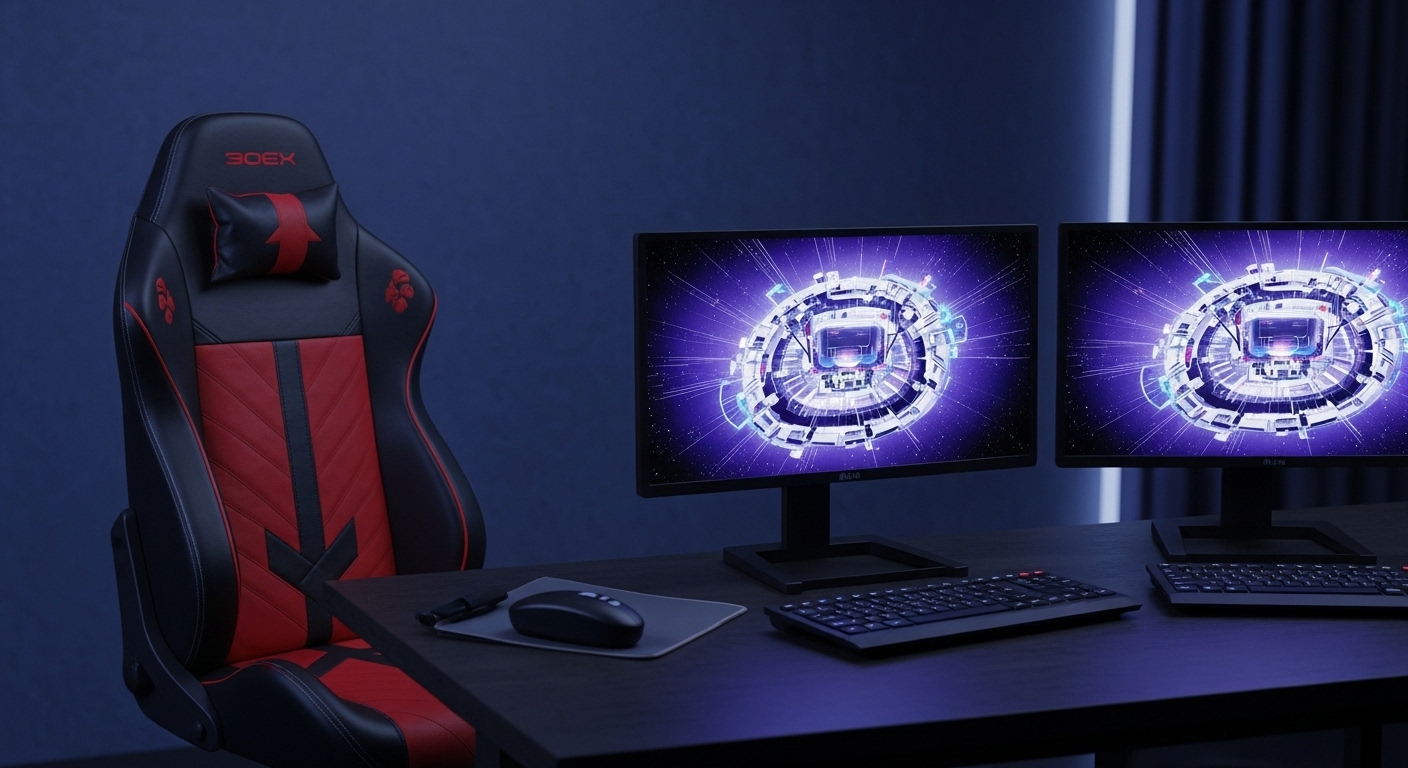
High-performance gaming PCs, low-latency internet connections, and advanced streaming technologies have allowed esports to thrive on a global scale. The rise of virtual reality (VR) and augmented reality (AR) is also opening new frontiers for competitive gaming experiences.
Moreover, data analytics and artificial intelligence are being integrated into training regimens, helping players analyze their gameplay and improve performance. Technology has also made it easier to manage tournaments, prevent cheating, and create fairer and more balanced competitive environments.
The Cultural Impact of Esports
Esports is more than just a form of entertainment—it has become a cultural movement. The competitive gaming scene has influenced fashion, music, and even education. Esports athletes are now viewed as celebrities, with fanbases that rival those of movie stars and traditional athletes.
Gaming culture has created communities where people from diverse backgrounds connect through shared passion. Online platforms and social media have made it easy for fans to engage with players, discuss strategies, and celebrate victories together.
The rise of esports has also challenged outdated stereotypes about gamers. No longer are gamers seen as isolated or antisocial. Instead, professional players are recognized for their discipline, teamwork, and strategic thinking—qualities shared by top athletes in any sport.
Challenges Facing Esports
Despite its incredible growth, esports faces several challenges. Player burnout, mental health struggles, and lack of standardized regulations remain key issues within the industry. Many professional players retire young due to the intense pressure and demanding schedules.
Another challenge is maintaining fair play. With online gaming, cheating and match-fixing scandals occasionally surface, threatening the integrity of the sport. Developers and tournament organizers continuously work to improve anti-cheat systems and establish clear codes of conduct.
Financial stability is another area of concern. While top-tier tournaments and teams earn substantial revenue, smaller organizations often struggle to stay afloat. As esports continues to expand, creating sustainable ecosystems for all participants—from players to organizers—will be crucial.
The Globalization of Esports
Esports is now a global phenomenon, with competitive scenes thriving in Asia, Europe, North America, and beyond. South Korea remains a pioneer, but countries like China, the United States, and Sweden have become major hubs for esports development.
Regional leagues and tournaments have emerged to cater to local audiences while still connecting to global competitions. This structure allows fans to follow teams from their own countries while also engaging with international events.
The inclusion of esports in multi-sport events such as the Asian Games and discussions about its inclusion in the Olympic Games demonstrate just how far competitive gaming has come. What was once considered a niche hobby has now achieved global recognition as a legitimate sport.
The Future of Esports
The future of esports looks incredibly promising. As technology continues to evolve, new opportunities will emerge for both players and fans. Virtual and augmented reality may redefine how we experience competitive gaming, making it more immersive and interactive than ever before.
Mobile gaming is also becoming a dominant force in esports, especially in regions like Southeast Asia and India. Games such as PUBG Mobile, Mobile Legends, and Free Fire have brought competitive gaming to millions of people who might not have access to high-end PCs or consoles.
Furthermore, as younger generations grow up with esports as a normal part of their lives, its influence will only continue to expand. Schools and universities will develop more structured programs, and esports might even become a standard part of athletic education.
Corporate and media partnerships will also play a vital role in shaping the next era of esports. As more investors recognize its potential, we can expect even higher production values, larger prize pools, and broader global reach.
Conclusion
From the flashing lights of arcades to the grand stages of modern arenas, the journey of esports has been nothing short of extraordinary. What started as a pastime for a few passionate gamers has evolved into a global industry that unites millions. Esports has redefined competition, entertainment, and culture for the digital age.
The evolution of esports is a testament to the power of innovation, community, and human passion. As technology and society continue to advance, the boundaries between gaming and traditional sports will blur even further. The next generation of esports athletes and fans will carry this legacy forward, ensuring that the story of competitive gaming continues to inspire, entertain, and connect people across the globe.