
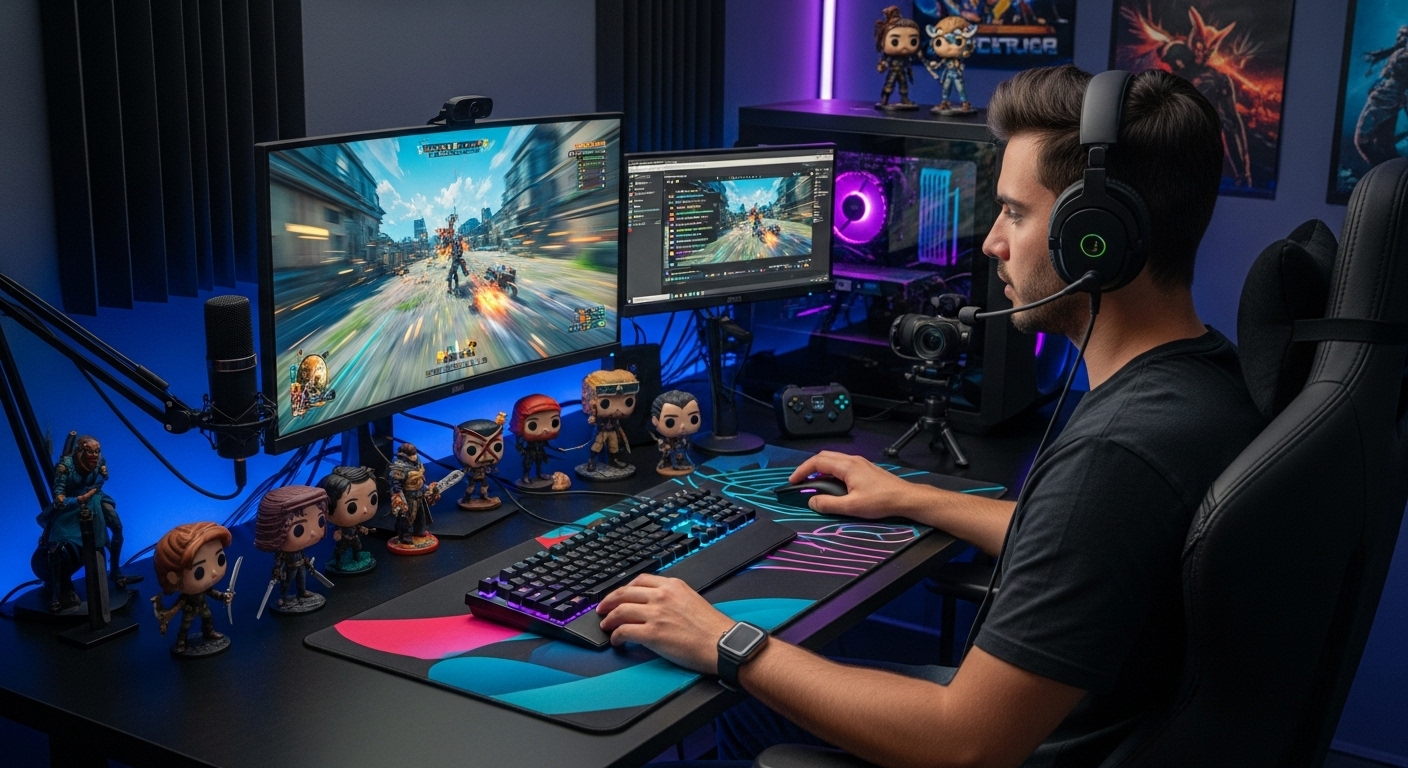
Esports has evolved into one of the most competitive and high-stakes environments in the modern world of entertainment. With millions of viewers watching, lucrative sponsorships on the line, and the reputation of entire teams at stake, professional gamers face immense pressure every time they compete. Unlike casual gaming, professional esports requires precision, focus, and mental stability under intense conditions. Understanding how pro gamers handle this pressure not only sheds light on their mental resilience but also provides lessons applicable to anyone dealing with stress in performance-driven fields.
The Nature of Pressure in Esports
Pressure in esports comes from multiple sources. Professional gamers are not just playing for fun; they are representing teams, sponsors, and sometimes even their nations. Each match is broadcasted to audiences worldwide, with fans expecting flawless performances. This creates an environment where a single mistake can cost a championship, and the fear of failure becomes a psychological burden.
Additionally, esports players often train for 8 to 12 hours a day. This level of commitment means their self-worth can become tied to performance. When things go wrong, the emotional impact is immense. Online criticism also adds to this stress. Social media allows fans to express their opinions instantly, and while support can be uplifting, negative comments can hurt deeply.
Professional gaming combines the physical intensity of competition with the mental exhaustion of high-stakes performance. To thrive in such conditions, pro gamers develop methods to manage pressure, maintain confidence, and perform consistently even when the stakes are highest.
Building Mental Fortitude
One of the defining traits of a successful pro gamer is mental fortitude. Just like traditional athletes, esports players must remain calm and focused under pressure. Mental strength does not come naturally to everyone; it is developed through experience and deliberate practice.
Pro gamers use techniques such as visualization, mindfulness, and self-talk to strengthen their mental resilience. Visualization involves mentally rehearsing plays and strategies before a match. This prepares the brain for high-pressure moments by creating a sense of familiarity. When those situations occur in real matches, the player’s mind and reflexes are already trained to respond calmly.
Mindfulness helps players stay in the present moment rather than worrying about past mistakes or future outcomes. By focusing only on what they can control, they reduce anxiety and increase performance stability. Many esports coaches now include mindfulness exercises in their team training routines to help players manage nerves.
Positive self-talk also plays a crucial role. The way a gamer speaks to themselves internally influences their confidence. By replacing negative thoughts with affirmations like “I can handle this” or “I’ve prepared for this moment,” players build belief in their abilities and resist the spiral of self-doubt.
Preparation: The Key to Confidence
Pressure often comes from uncertainty. Pro gamers minimize this uncertainty through intense preparation. Before major tournaments, teams analyze their opponents’ playstyles, study strategies, and practice counter-tactics. This process builds a sense of readiness that directly combats pressure.
Professional teams usually have analysts and coaches who review gameplay footage to identify strengths and weaknesses. Every potential scenario is discussed so that during competition, players already know how to react. This structured preparation transforms pressure into anticipation. Instead of fearing the unknown, gamers approach challenges with confidence in their preparation.
In-game training also focuses on specific skills under simulated pressure. Teams practice clutch situations—moments where the outcome depends on one or two players performing perfectly. By replicating these high-stress moments in practice, players become desensitized to the anxiety of real competition. Over time, this approach helps them stay composed when facing similar scenarios on stage.
The Importance of Team Dynamics
In team-based esports, managing pressure is not just an individual task; it’s a collective effort. Communication, trust, and understanding among teammates are essential to maintaining composure. A supportive team environment helps players recover quickly from mistakes and focus on the next round.
Top teams develop strong interpersonal bonds outside the game. They spend time together, build friendships, and learn to communicate effectively. This trust reduces tension during matches because players know their teammates will have their backs no matter what.
Leaders within the team, often the captain or in-game leader, play a vital role in handling pressure. They keep the team focused, call strategies with confidence, and set the tone for emotional control. When the leader remains calm, the rest of the team tends to follow.
In contrast, teams that lack cohesion often crumble under stress. Miscommunication, frustration, and blame can destroy morale during critical moments. Therefore, emotional intelligence and teamwork are as important as mechanical skill in professional gaming.
Physical Health and Its Impact on Mental Strength
It might surprise some to learn that physical health significantly affects how well pro gamers handle pressure. Despite esports being a mental and strategic discipline, physical well-being plays a direct role in stress management.
Professional players follow strict physical fitness routines to maintain stamina and focus. Exercise increases blood flow to the brain, improves mood, and reduces anxiety. Simple activities like jogging, yoga, or gym workouts can make a big difference in how a player handles pressure.
Sleep is another critical factor. A lack of sleep impairs decision-making, reflexes, and emotional regulation—all of which are essential in high-level play. Most professional teams enforce sleep schedules to ensure players are mentally sharp.
Nutrition also contributes to performance stability. Proper diets rich in protein, complex carbohydrates, and hydration help maintain consistent energy levels during long tournaments. When the body is healthy, the mind is more resilient to stress.
Developing Pre-Game Routines
Routines are a powerful way to control nerves before competition. Many professional gamers have pre-match rituals that help them focus and enter a state of flow. These routines might include stretching, breathing exercises, listening to music, or going through specific warm-up drills.
The consistency of these rituals provides a sense of control. No matter how unpredictable a match might be, following a familiar routine gives players comfort and mental readiness. It tells their brain that it’s time to perform.
Some players prefer solitude before games, using quiet moments to visualize success or clear their minds. Others thrive on team energy, engaging in group chants or motivational talks. Regardless of the approach, the goal is the same—to calm nerves and channel adrenaline into focused performance.
Learning from Mistakes
Mistakes are inevitable in esports, just as they are in any sport. The difference between good and great players lies in how they respond to them. Pro gamers view mistakes as learning opportunities rather than failures.
After each tournament, teams review their matches to identify what went wrong. Instead of dwelling on losses emotionally, they approach them analytically. This mindset shift reduces fear of failure and encourages continuous improvement.
By accepting that failure is part of growth, players build resilience. When pressure arises again, they are less affected by the possibility of mistakes because they understand that setbacks are temporary and fixable.
The Role of Esports Psychologists
In modern esports, many organizations hire professional sports psychologists to help players handle stress and performance anxiety. These experts teach coping mechanisms, conduct mental conditioning sessions, and provide one-on-one counseling.
Psychologists help players understand their emotional triggers and develop strategies to control them. Techniques such as deep breathing, relaxation exercises, and performance journaling are commonly used to maintain mental balance.
Having a mental coach normalizes conversations about stress and mental health in esports. It reminds players that handling pressure is a skill that can be learned, not a sign of weakness. The inclusion of sports psychology has become a major factor in the success of top-tier teams across various games.
Managing Public and Fan Expectations
Fame is a double-edged sword in esports. With rising popularity, pro gamers gain fans, followers, and media attention—but they also face constant scrutiny. Public criticism and unrealistic expectations can amplify performance pressure.
To manage this, many players limit their exposure to social media before tournaments. They focus on preparation rather than external opinions. Some organizations assign public relations staff to handle media interactions, allowing players to stay mentally insulated from distractions.
Esports athletes also learn to reframe their relationship with fans. Instead of feeling burdened by expectations, they use fan support as motivation. Recognizing that pressure stems from passion can transform it into positive energy that fuels performance rather than fear.
Maintaining Balance and Perspective
One of the hardest lessons for professional gamers is learning that life is more than competition. When gaming becomes the center of identity, the emotional highs and lows become extreme. Maintaining balance outside of gaming—through hobbies, family, or relaxation—is crucial to mental health.
Many successful players take scheduled breaks, spend time outdoors, or pursue interests like music, art, or fitness. This balance prevents burnout and keeps them mentally refreshed. It also gives perspective; losing a game may hurt, but it doesn’t define their entire worth.
Esports organizations increasingly recognize this and encourage players to take time off after major tournaments. Some even provide access to therapists and wellness programs to ensure long-term well-being.
Handling Live Tournament Pressure
Performing on a live stage with bright lights, thousands of spectators, and the weight of global viewership is one of the most stressful experiences in esports. Yet, top players thrive in this environment.
The secret lies in experience and desensitization. The more a player competes on stage, the more comfortable they become. Each event teaches them how to manage adrenaline, tune out distractions, and focus solely on gameplay.
Some players use breathing techniques to regulate heart rate during tense moments. Others fix their gaze on the screen, consciously blocking out audience noise. Communication with teammates also helps—when players focus on coordination and strategy, external pressure fades into the background.
The Importance of Support Systems
Behind every successful pro gamer is a strong support system. Family, friends, coaches, and teammates play crucial roles in keeping players grounded. Having people who understand the challenges of competitive gaming provides emotional stability during difficult times.
Parents of esports athletes are becoming more supportive as they recognize the legitimacy of gaming careers. Their encouragement helps players feel valued beyond performance results. Meanwhile, professional organizations ensure that coaches and managers offer constant guidance and motivation.
Support systems remind players that they are not alone in their journey. This sense of belonging reduces the isolation that can come from high-pressure careers.
Lessons from Legendary Players
Several iconic esports professionals have shared their approaches to handling pressure. Their insights reveal common themes—preparation, mindset, and balance.
Top players emphasize the importance of staying humble and focusing on improvement rather than perfection. They often mention that nervousness is normal and even beneficial if channeled correctly. Pressure indicates that something important is at stake, and learning to embrace it turns it into an ally rather than an enemy.
Some veterans mentor younger players, teaching them how to navigate the emotional rollercoaster of professional competition. This culture of mentorship helps sustain mental strength across generations of players.
Conclusion: Thriving Under Pressure
Handling pressure is what separates good players from great ones in esports. The ability to remain calm, confident, and focused under intense conditions defines champions. Through mental training, preparation, teamwork, and balance, professional gamers transform stress into performance fuel.
Esports may look like just a game to outsiders, but for those within it, it’s a mental battlefield. Every decision, every movement, and every moment counts. Pro gamers who master the art of handling pressure not only achieve success in their careers but also demonstrate the mental discipline that inspires millions around the world.