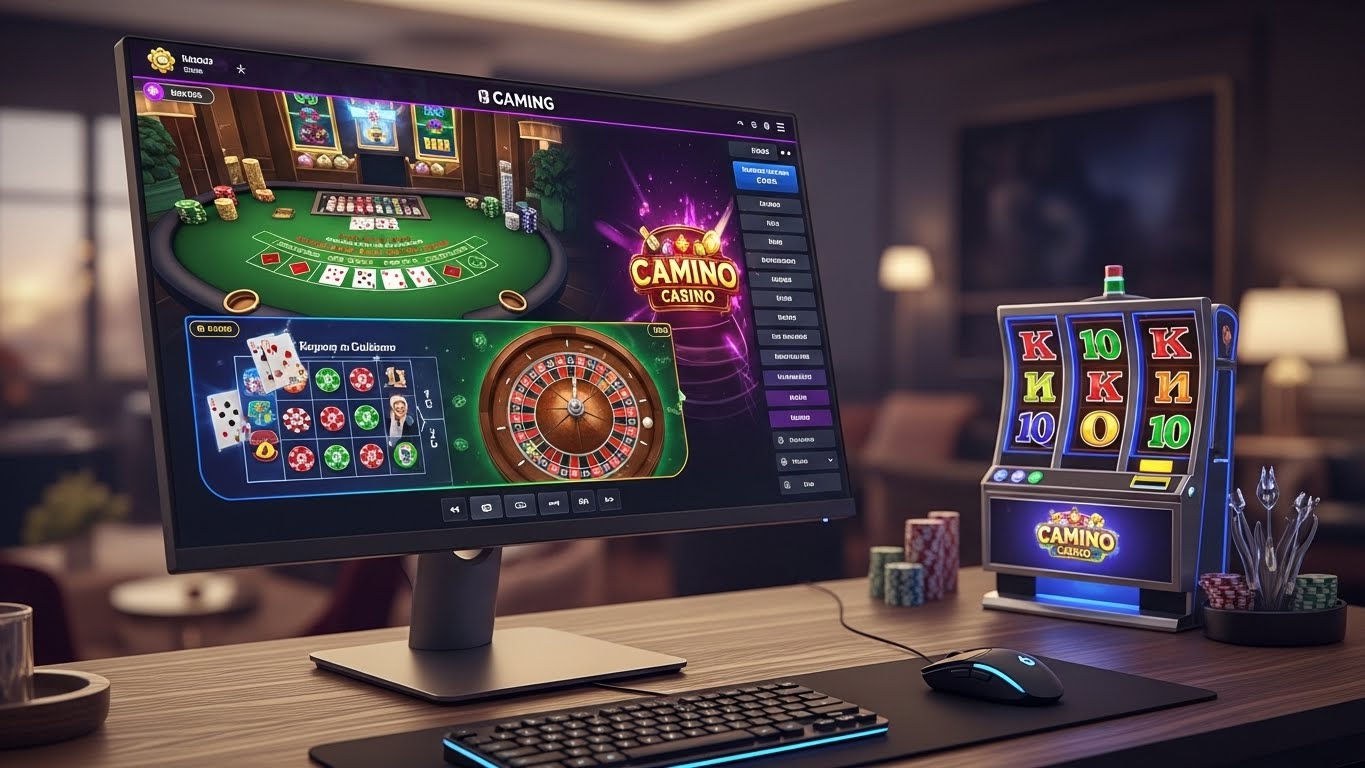


Introduction: The Rise of iGaming
Over the past decade, the iGaming industry has experienced exponential growth, transforming into a global phenomenon. The term “iGaming” refers to interactive online gaming, encompassing a wide range of digital entertainment, from online casinos and sports betting to esports and mobile gaming apps. As technology continues to advance, the world of iGaming has evolved into a multi-billion-dollar market, drawing millions of players worldwide. But what has fueled this surge in popularity? And what does the future hold for the industry? Let’s take a closer look.
Technological Advancements: The Backbone of iGaming
One of the primary drivers behind the success of iGaming is the rapid advancement of technology. The rise of high-speed internet, the proliferation of smartphones, and the development of cutting-edge graphics and gameplay software have all played a pivotal role in shaping the modern iGaming experience. Virtual reality (VR) and augmented reality (AR) are also beginning to make waves, enhancing the immersive nature of online casinos and games.
Live dealer games, where players interact with real dealers via live video streams, are another major development in the iGaming sector. These innovations have made online gambling feel more like a real-world casino experience, attracting a wider demographic of players who crave authenticity.
Legal Landscape: Regulation and Market Expansion
While technological growth is a key component of the iGaming industry’s success, legal and regulatory considerations are equally important. As online gaming continues to expand, various countries and regions have begun to establish their own rules and guidelines to govern the industry. This has led to an intricate web of regulations, where operators must navigate different legal frameworks to provide their services.
For instance, Europe has seen an increasing number of countries legalizing online gambling, with jurisdictions like the UK and Malta offering well-regulated environments for operators and players. Meanwhile, in the United States, the repeal of the PASPA law in 2018 opened the door for legal sports betting across several states, creating a surge in the U.S. iGaming market.
However, regulatory challenges persist. Issues such as responsible gambling practices, fraud prevention, and consumer protection remain central to discussions surrounding iGaming. Governments and operators alike must find ways to ensure the industry remains fair, safe, and transparent.
Mobile Gaming: The Future is on Your Phone
One of the most significant trends in iGaming is the shift toward mobile platforms. With more than 6.8 billion mobile phone users worldwide, it’s no surprise that mobile gaming has become the primary medium for iGamers. Online casino games, sports betting, poker, and even virtual esports tournaments are now available at the touch of a button, making gaming accessible anywhere and anytime.
The mobile revolution has made iGaming more convenient and user-friendly. Apps designed for smartphones and tablets are optimized for touch interfaces, ensuring players have a smooth experience while engaging with their favorite games. Whether you’re waiting for a bus or relaxing at home, your next spin on the roulette wheel or bet on a soccer match is only a few taps away.
Esports: A New Frontier in iGaming
Esports, or competitive video gaming, has emerged as a major sector within the iGaming landscape. Once seen as a niche activity, esports now attracts millions of fans worldwide, with large-scale tournaments offering prize pools in the millions. What’s more, betting on esports events has become a popular form of iGaming, allowing fans to wager on their favorite teams and players in real time.
The rise of esports has further broadened the appeal of online gaming, especially among younger audiences who are already familiar with the world of competitive gaming. Titles like League of Legends, Dota 2, and Counter-Strike: Global Offensive have become household names, with millions of players and fans tuning in to watch live streams of high-stakes tournaments.
As the esports industry grows, so does the opportunity for iGaming operators to expand their offerings. Betting on esports has opened a new revenue stream, with esports betting platforms and dedicated sportsbooks sprouting up to meet the demand.
Challenges in iGaming: Ethical Considerations and Responsible Gaming
Despite the success and rapid expansion of iGaming, the industry is not without its challenges. One of the most pressing concerns is responsible gaming. With the accessibility and convenience of online platforms, the risk of gambling addiction has become a serious issue. To address this, operators must implement measures that promote responsible gambling, such as setting deposit limits, providing self-exclusion tools, and offering resources for players who may need help.
Furthermore, the iGaming industry faces ongoing scrutiny regarding fairness and transparency. Issues like rigged games, unfair odds, and fraudulent operators have plagued the sector in the past. Regulated markets and independent testing agencies have helped to mitigate these concerns, but vigilance is still required to ensure the integrity of the industry.
The Future of iGaming: Innovations on the Horizon
Looking forward, the iGaming industry is poised to continue its upward trajectory. Emerging technologies like blockchain and cryptocurrency are beginning to gain traction, with some online casinos offering players the option to wager with digital currencies. Blockchain’s potential to offer secure, transparent transactions could revolutionize the way players interact with iGaming platforms.
Moreover, artificial intelligence (AI) and machine learning are expected to further enhance the personalization of gaming experiences. From customized game recommendations to automated customer support, AI promises to make iGaming more intuitive and user-friendly than ever before.
As the industry evolves, it’s likely that the lines between traditional gaming, esports, and online gambling will continue to blur. We may see more hybrid platforms where players can bet on real-world sports, engage in virtual casino games, and compete in esports tournaments all on the same platform.
Conclusion: A Thriving Industry with Boundless Potential
The iGaming industry has come a long way since its early days, and it shows no signs of slowing down. With technological advancements, a more favorable legal environment, and the rise of mobile gaming and esports, the future looks bright for both operators and players. However, challenges such as responsible gaming and regulation will continue to require attention.
For those looking to get involved in iGaming, the opportunities are vast. Whether you’re a player seeking entertainment or an entrepreneur looking to capitalize on this growing market, there’s no denying that the world of iGaming is here to stay. The future promises even more exciting developments, making this a space worth watching for years to come.