

Introduction
In recent years, the world of gaming has expanded beyond traditional video games and evolved into the booming industry of iGaming. Short for “interactive gaming,” iGaming refers to all forms of online gaming, including digital casinos, sports betting, online poker, and more. What was once a niche market has exploded into a multi-billion-dollar global industry, attracting millions of players worldwide. In this post, we’ll explore the rise of iGaming, its impact on entertainment, and the factors contributing to its rapid growth.
The Rise of Online Casinos and Digital Betting
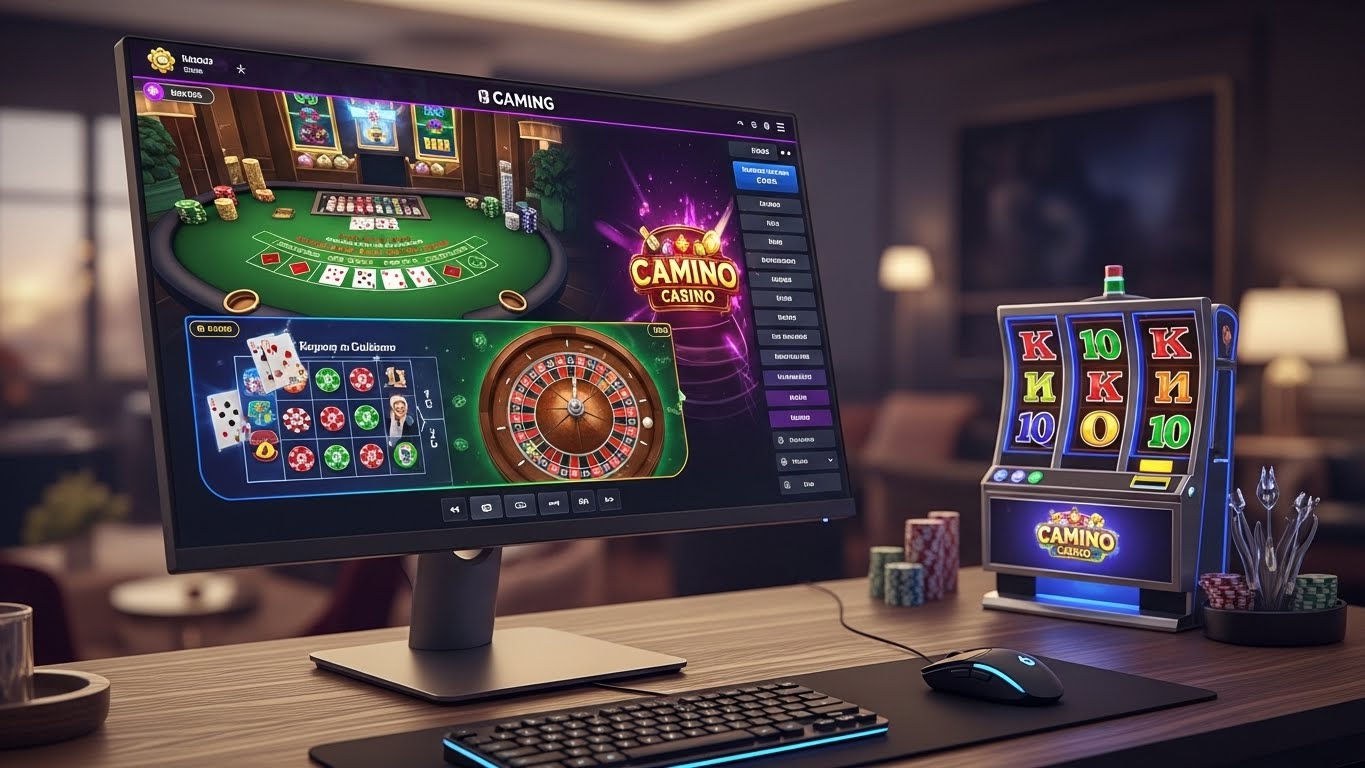
Online casinos have been at the forefront of the iGaming revolution. With the advent of secure payment methods, mobile platforms, and faster internet connections, the transition from brick-and-mortar casinos to digital spaces has been swift. Players now have access to a wide range of games, from classic table games like blackjack and roulette to innovative video slots and live dealer experiences—all from the comfort of their own homes.
The accessibility of online casinos has played a key role in their success. With mobile-friendly platforms and 24/7 availability, players can enjoy games on their schedule. Additionally, the implementation of advanced technology like virtual reality (VR) and augmented reality (AR) is further transforming the online casino experience, making it more immersive and engaging than ever before.
Sports Betting: The Digital Transformation
Sports betting, once a practice relegated to physical sportsbooks and casinos, has also transitioned into the digital realm, where it’s gaining unprecedented popularity. The convenience of placing bets from a smartphone, combined with live-streamed games, has revolutionized how fans interact with their favorite sports.
From major sports leagues like football, basketball, and soccer to niche markets like esports and virtual sports, iGaming has opened up a world of betting possibilities. Mobile apps and websites now offer bettors the ability to wager on games in real-time, adjusting their bets based on live statistics, player performance, and game outcomes. The ease of placing bets with just a few taps has made sports betting more accessible and enjoyable for millions around the globe.
The Role of Technology in iGaming Growth
Technology is at the heart of the iGaming industry’s explosive growth. Innovations in software development, payment systems, and security protocols have paved the way for a seamless and secure gaming experience. Cryptocurrencies like Bitcoin have also found their place within the iGaming landscape, allowing for faster, anonymous transactions that appeal to a more tech-savvy audience.
Furthermore, advancements in artificial intelligence (AI) and machine learning have enhanced the player experience by offering personalized recommendations, predictive betting models, and better customer support through chatbots. As the industry continues to embrace cutting-edge technology, it’s clear that iGaming is here to stay—and evolve in ways we might not even imagine yet.
Regulatory Challenges and Responsible Gaming
Despite the industry’s massive growth, iGaming faces a unique set of challenges, particularly around regulation. The global nature of online gaming means that laws vary significantly from country to country, creating a complex regulatory environment. While some countries have embraced online gaming with clear frameworks for licensing and taxation, others have imposed strict restrictions or outright bans.
This regulatory uncertainty can pose challenges for operators looking to expand into new markets. However, many iGaming platforms are working to ensure their compliance with local laws and are prioritizing responsible gaming practices. Initiatives like self-exclusion programs, age verification systems, and responsible gambling tools aim to protect players and encourage safe and sustainable gaming behavior.
The Future of iGaming: Trends to Watch
As the iGaming sector continues to grow, several trends are likely to shape its future. One of the most exciting developments is the rise of esports betting. With the increasing popularity of competitive gaming and esports tournaments, betting on esports has become a major part of the iGaming landscape. Games like League of Legends, Dota 2, and Counter-Strike: Global Offensive are not only captivating audiences but are also providing new opportunities for bettors.
Additionally, the integration of live dealer games powered by streaming technology is expected to further enhance the iGaming experience. These live-streamed games, which involve real dealers interacting with players in real-time, replicate the excitement of land-based casinos while offering the convenience of online play.
Finally, the role of augmented reality (AR) and virtual reality (VR) is poised to reshape the way players engage with online games. Imagine stepping into a virtual casino or betting on a live sports event with an immersive 360-degree experience. These technologies, though still in their early stages, have the potential to revolutionize iGaming as we know it.
Conclusion: iGaming’s Impact on the Future of Entertainment
iGaming is more than just a trend—it’s a transformation in how we think about entertainment. With its blend of technology, convenience, and excitement, it has quickly become a dominant force in the global entertainment landscape. From digital casinos to sports betting and esports, the industry offers something for everyone.
As technology continues to evolve, so too will the iGaming experience. With advancements in VR, AI, and blockchain technology, the future of online gaming looks even more promising. However, alongside this growth, it’s crucial that players engage responsibly and that operators prioritize safety and regulation. The iGaming revolution is just getting started, and its impact on entertainment and culture will be felt for years to come.