
Introduction
Over the past two decades, digital transformation has reshaped nearly every aspect of daily life — from how we communicate and shop to how we play and compete. Among the industries most dramatically transformed by technology is gaming, particularly the branch known as iGaming. Once a niche form of online entertainment limited to simple betting interfaces, iGaming has evolved into a dynamic, multi-billion-dollar global industry that blends innovation, technology, and human behavior in fascinating ways.
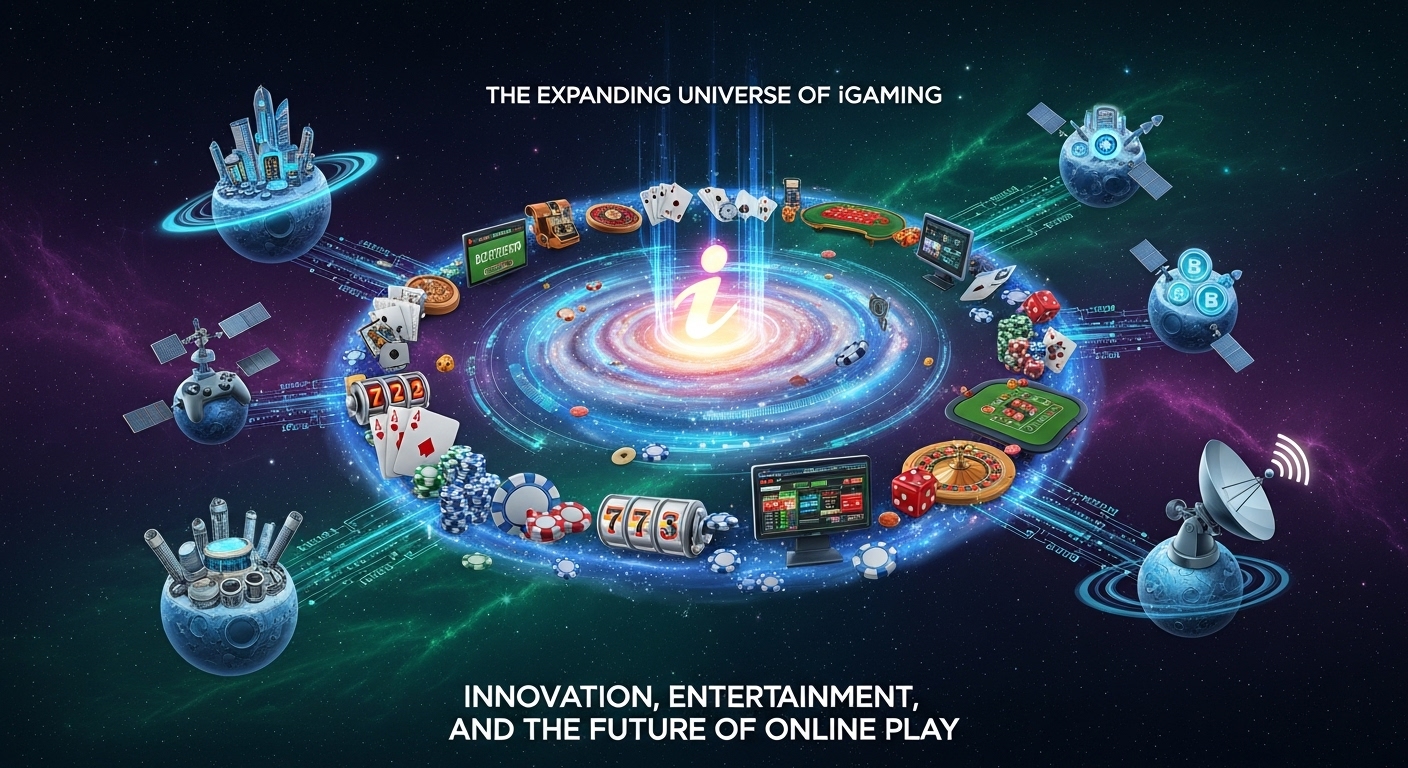
Today, iGaming stands at the crossroads of entertainment, finance, and technology. It encompasses everything from online casinos and sports betting to live dealer experiences and virtual reality gaming. Behind the flashing screens and thrilling jackpots lies a complex ecosystem driven by regulatory frameworks, software innovation, digital marketing, and ever-changing consumer expectations.
This blog takes an in-depth look at how iGaming has evolved, the forces driving its growth, the challenges it faces, and what the future might hold for this rapidly expanding digital frontier.
The Origins of iGaming
The roots of iGaming trace back to the mid-1990s when the internet was just beginning to enter homes around the world. The first online casino appeared in 1994 after the development of secure online payment systems and the issuance of the first gambling licenses in Antigua and Barbuda. Back then, the idea of wagering real money through a computer seemed revolutionary.
In the early days, iGaming platforms were rudimentary. They featured simple interfaces and limited game selections — often digital versions of classic table games such as blackjack, roulette, or poker. However, even at that early stage, the concept was groundbreaking: people could gamble from the comfort of their homes without stepping into a physical casino.
The rise of broadband internet in the 2000s brought a surge in popularity. Improved graphics, faster connections, and more immersive designs made online gaming far more engaging. The introduction of live dealer games in the late 2000s marked another milestone, as players could now interact with real dealers through live video feeds, bridging the gap between digital and real-world casino experiences.
What Defines iGaming Today
Modern iGaming is much more than online betting or casino platforms. It’s a vast digital entertainment industry that combines real-time data, interactive media, artificial intelligence, and blockchain technology.
Today’s iGaming industry includes:
- Online Casinos: Platforms offering slots, blackjack, poker, roulette, and other traditional games in virtual form.
- Sports Betting: Digital platforms allowing users to wager on sports events, from football and basketball to eSports and fantasy leagues.
- Live Dealer Games: Real-time casino experiences streamed from professional studios.
- Lottery and Bingo: Digital versions of traditional number-based games that attract massive audiences worldwide.
- Virtual and Augmented Reality Gaming: Immersive casino environments powered by VR headsets and AR interfaces.
The success of these verticals depends on several factors: user trust, security, technological innovation, and the thrill of gameplay. Together, they form an industry that thrives on engagement and personalization.
The Technological Backbone of iGaming
Behind every spin of a roulette wheel or roll of digital dice is a sophisticated network of technologies that make iGaming secure, fair, and engaging.
Random Number Generators (RNGs)
RNG technology ensures fairness by generating unpredictable outcomes for each game event. Without true randomness, digital gaming would lose credibility. Today’s RNGs are tested and certified by independent auditing bodies to guarantee transparency.
Artificial Intelligence and Machine Learning
AI plays a central role in personalizing the gaming experience. Algorithms track user behavior to recommend games, set betting limits, and even detect signs of problem gambling. AI also powers fraud detection systems, ensuring the integrity of transactions and player identities.
Blockchain and Cryptocurrencies
The introduction of blockchain technology has revolutionized online gaming payments. It enables provably fair systems where players can verify the fairness of each bet. Cryptocurrencies such as Bitcoin and Ethereum have added another layer of anonymity and speed to financial transactions.
Virtual Reality and Immersive Design
VR casinos are among the most exciting frontiers in iGaming. Players can now walk through digital casino floors, interact with others, and experience realistic game physics — all from their living rooms. As hardware becomes more accessible, VR could become a cornerstone of future iGaming experiences.
The Psychology of iGaming
The appeal of iGaming is not only technological but also deeply psychological. It taps into human instincts for competition, risk-taking, and reward. Understanding this psychology helps explain why the industry has such global appeal.
The Thrill of Chance
At its core, gambling triggers dopamine release — the same neurotransmitter associated with excitement and pleasure. The uncertain nature of outcomes keeps players engaged, fostering anticipation and hope.
The Role of Skill and Strategy
Games such as poker and sports betting introduce elements of skill, making players feel more in control. This blend of luck and skill enhances the emotional investment in gameplay, making it feel more rewarding.
Community and Social Interaction
Modern iGaming platforms integrate chat rooms, leaderboards, and multiplayer tournaments to create a sense of community. The ability to connect with others globally transforms solitary gaming into a social experience.
The Business of iGaming
The iGaming industry generates billions of dollars in annual revenue. It has become one of the most lucrative branches of the entertainment sector, attracting investment from major corporations, venture capitalists, and even traditional land-based casino operators.
Revenue Models
Most iGaming platforms generate income through player deposits, entry fees, or rake percentages. Some also offer in-game purchases, VIP memberships, or promotional events. Bonus systems — such as welcome bonuses or free spins — are designed to attract and retain customers.
Marketing and Player Acquisition
Marketing in iGaming is a science in itself. Operators use sophisticated analytics to target potential players through digital ads, influencer partnerships, and affiliate networks. Retention is achieved through loyalty programs, personalized promotions, and gamification strategies.
Regulation and Compliance
Because iGaming involves financial transactions and potential addiction risks, it’s one of the most regulated online industries. Licensing authorities set strict standards for security, fairness, and responsible gambling practices. Countries such as Malta, the United Kingdom, and Gibraltar are known for their well-established regulatory frameworks.
Responsible Gaming and Ethical Considerations
While iGaming offers entertainment and excitement, it also carries the potential for addiction and financial harm. Responsible gaming practices are therefore crucial to maintaining the industry’s credibility.
Operators now implement tools that allow players to set deposit limits, take cooling-off periods, or self-exclude entirely. Machine learning systems can detect abnormal betting patterns and intervene when players show signs of risky behavior.
Public awareness campaigns and collaborations with mental health organizations have become more common, emphasizing the importance of moderation and self-control. The future of iGaming depends not only on innovation but also on how responsibly that innovation is used.
The Globalization of iGaming
The rise of iGaming is a global phenomenon. However, the rate of adoption and regulation varies widely across regions.
In Europe, countries like the UK, Malta, and Sweden are leaders in online gambling legislation and technology. Asia has shown massive growth potential, particularly in markets like the Philippines and India, where mobile penetration is high. North America has experienced a regulatory shift in recent years, with states such as New Jersey and Nevada legalizing various forms of online gambling.
Meanwhile, Africa is emerging as a new frontier for iGaming, driven by rapid smartphone adoption and youth demographics. This global expansion shows how adaptable and scalable the iGaming model can be when paired with digital infrastructure.
The Role of Mobile Gaming
The smartphone revolution transformed iGaming forever. Mobile gaming now accounts for the majority of global iGaming revenue. Players can access casinos, sports bets, and lotteries from their pockets at any time.
The convenience of mobile platforms has redefined player behavior. Gaming sessions are shorter but more frequent, and notifications keep players constantly engaged. As 5G technology expands, mobile gaming will become even faster and more immersive, paving the way for real-time multiplayer experiences on a massive scale.
The Rise of eSports Betting
The intersection of competitive gaming and gambling has given birth to eSports betting — a rapidly expanding niche within iGaming.
As professional gamers compete in tournaments watched by millions online, fans can place bets on outcomes just as they would for traditional sports. The rise of platforms dedicated to eSports wagering demonstrates the versatility of the iGaming model, blending entertainment with competition in an entirely digital format.
This fusion of gaming culture and wagering highlights the evolving definition of what constitutes a sport in the modern world.
Innovation Through Artificial Intelligence
AI is not just a tool for data analysis in iGaming — it’s a force reshaping how games are designed, marketed, and managed.
Through predictive analytics, operators can anticipate user preferences and recommend games that match their interests. AI chatbots provide customer support, while risk assessment algorithms ensure player safety.
In the future, AI may be used to create adaptive gaming environments that respond dynamically to each player’s skill level, mood, or playing habits, ensuring an experience that feels personalized and engaging at every moment.
Security and Data Protection
Because iGaming involves sensitive financial and personal data, cybersecurity is paramount.
Operators employ advanced encryption methods, two-factor authentication, and secure payment gateways to protect user information. Compliance with international data protection laws such as the GDPR has also become standard.
Blockchain technology further enhances transparency by allowing verifiable, tamper-proof records of every transaction. The combination of encryption and decentralization ensures that players can trust the platforms they engage with.
The Future of iGaming: Trends and Predictions
The iGaming industry shows no sign of slowing down. Over the next decade, several key trends are likely to shape its evolution.
Greater Integration with Emerging Technologies
Artificial intelligence, virtual reality, augmented reality, and blockchain will continue to converge, creating hybrid platforms that deliver unmatched realism and engagement.
Cross-Platform Ecosystems
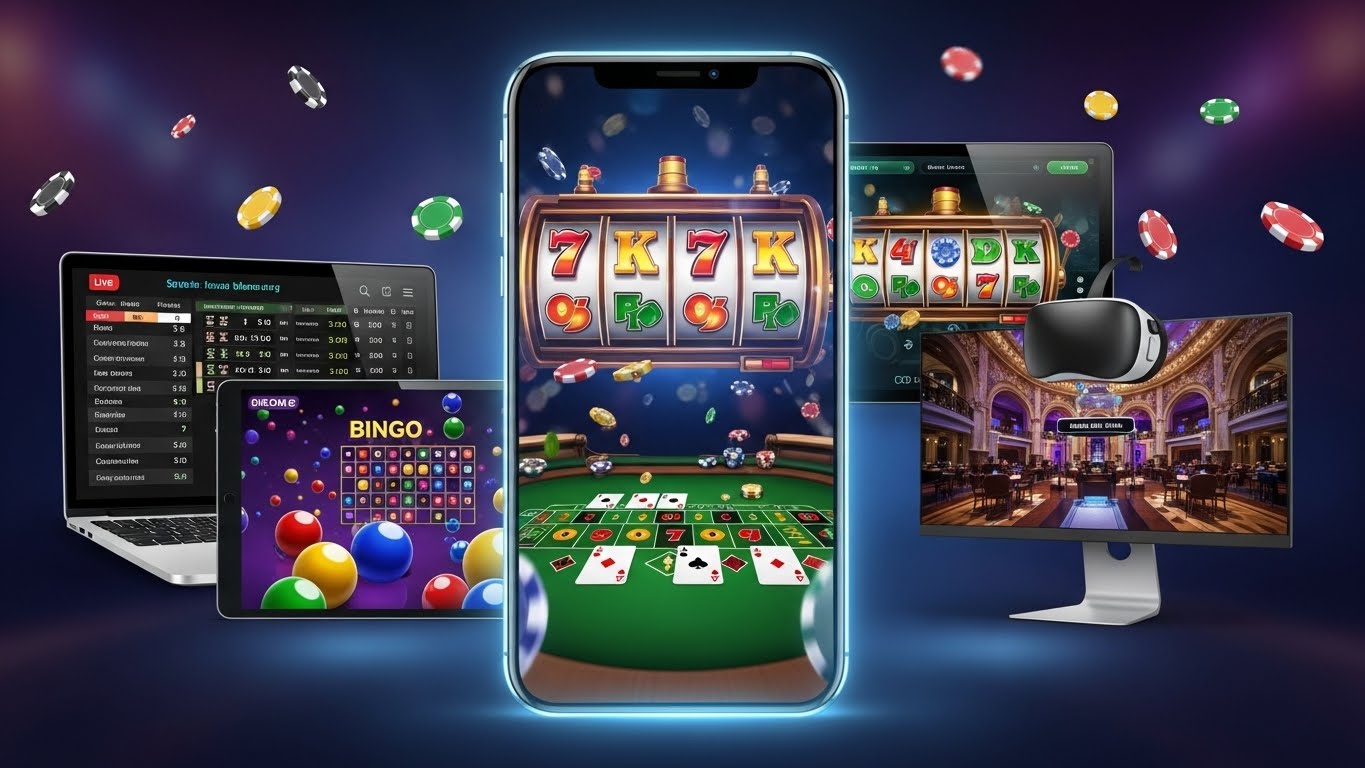
Players will demand seamless transitions between devices. Whether on desktop, mobile, or VR headsets, their gaming experience will be unified under one account and one ecosystem.
Increased Regulatory Clarity
As governments worldwide recognize the potential tax and job benefits of iGaming, more regions will legalize and regulate it. Clearer rules will encourage greater investment and innovation.
The Growth of Skill-Based Gaming
Future generations of players may prefer skill-based games that blend entertainment with intellectual challenge. This shift could redefine the boundaries between gaming and gambling.
Sustainability and Social Responsibility
Expect to see greater emphasis on ethical gaming practices, player welfare, and sustainable business models. The next stage of iGaming will prioritize human well-being alongside profit and growth.
Challenges Facing the Industry
Despite its success, iGaming faces several ongoing challenges.
Regulatory inconsistencies between countries create barriers to global expansion. Concerns about gambling addiction and underage play remain serious issues. Cybersecurity threats continue to evolve, demanding constant vigilance.
Additionally, competition is fierce — new operators launch every year, making player retention more difficult. To thrive, companies must balance innovation with integrity, and excitement with responsibility.
The Human Side of iGaming
Beyond algorithms and jackpots lies a very human story. For many, iGaming offers a form of relaxation, social connection, or intellectual stimulation. For others, it represents a livelihood — from developers and marketers to live dealers and streamers.
Communities have formed around favorite games and tournaments, creating shared cultures that span continents. The emotional engagement and creativity driving these communities prove that iGaming is as much about people as it is about technology.
Conclusion
The journey of iGaming from a simple online experiment to a multi-dimensional global industry is nothing short of extraordinary. It stands as a testament to how technology can transform entertainment, merging risk, skill, and innovation into a seamless digital experience.
As we look to the future, iGaming will continue to evolve — not just as a form of leisure but as a complex ecosystem where psychology, technology, and human creativity intersect. The key to its longevity lies in balance: between excitement and responsibility, innovation and ethics, accessibility and regulation.
In a world increasingly driven by screens and data, iGaming represents the next frontier of interactive entertainment — one that will continue to shape how people play, connect, and dream in the digital age.