

In recent years, iGaming has become a revolutionary force in the world of online entertainment, blending technology, gaming, and betting into a thriving global industry. With its rapid growth and increasing popularity, iGaming has reshaped how people engage with games, placing virtual casinos, sports betting, and skill-based games at the forefront of digital interaction. As the industry evolves, so do the opportunities it offers to players, operators, and developers alike. In this blog post, we will delve into the multifaceted world of iGaming, exploring its history, the current trends, legal implications, and its future prospects.
What is iGaming?
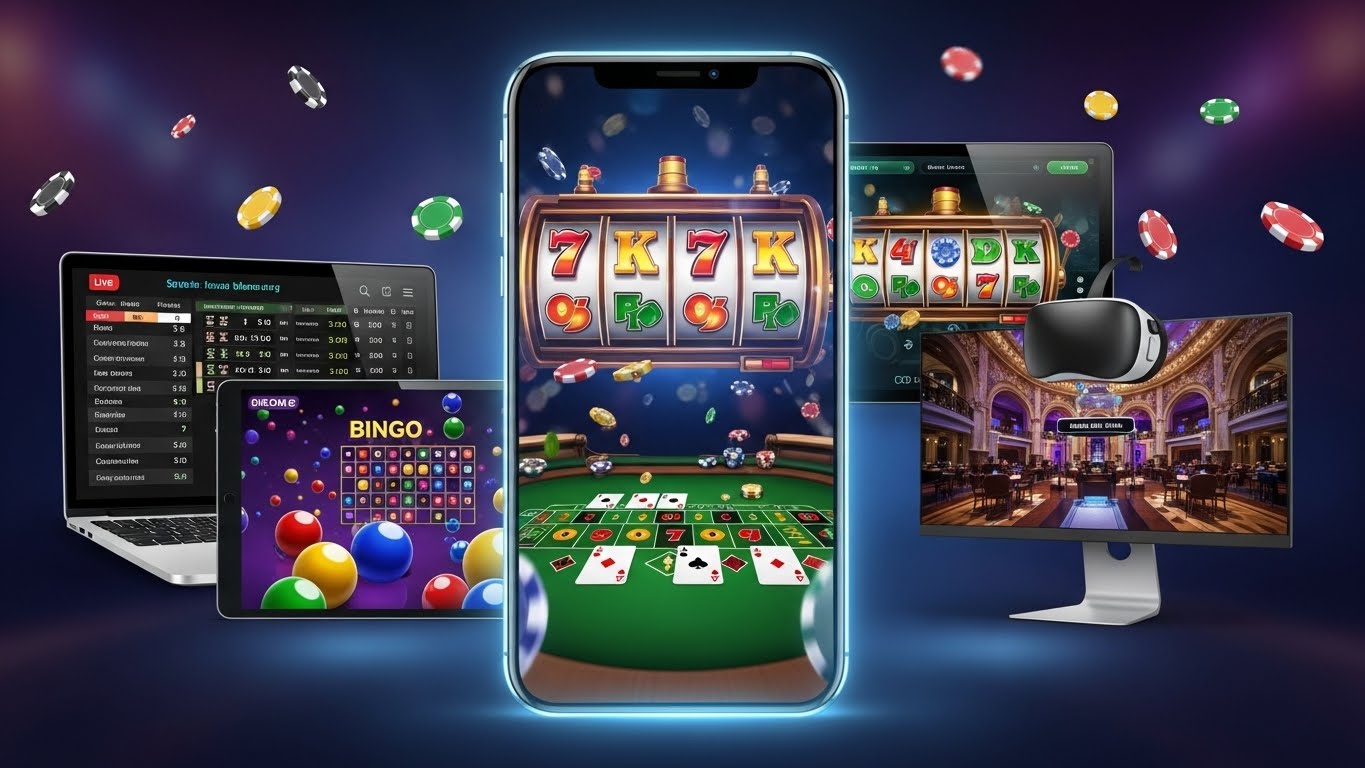
iGaming, short for internet gaming, refers to the practice of betting or gambling via the internet, encompassing a broad range of gaming experiences. It includes online casino games like slots, table games (poker, blackjack, roulette), virtual sports, and even esports betting. iGaming also includes interactive games such as online bingo, lotteries, and skill-based games.
What makes iGaming distinct from traditional gambling is its integration with the internet, allowing users to play games or place bets from the comfort of their homes or on the go via mobile devices. The accessibility, variety, and convenience of online gaming have significantly contributed to its popularity worldwide.
A Brief History of iGaming
The origins of iGaming can be traced back to the mid-1990s when the internet became widely accessible. In 1994, Antigua and Barbuda passed the Free Trade & Processing Act, making it possible for companies to apply for a license to run online casinos. Shortly after, Microgaming, a software development company, launched the first-ever online casino, marking the official birth of iGaming.
In the early years, iGaming was primarily focused on online casinos, but over time, the industry expanded to include poker rooms, sports betting platforms, and other forms of digital gambling. Technological advancements, such as improved internet speeds, secure payment methods, and the development of mobile apps, further fueled the growth of the industry.
By the early 2000s, online gambling was a booming industry, attracting millions of players from across the globe. While regulatory challenges remained a concern, the continued growth of the industry eventually led to the establishment of regulated markets in many countries.
The Popularity of iGaming Today
Today, iGaming is one of the fastest-growing industries in the world, generating billions in revenue annually. According to recent statistics, the global online gambling market is expected to exceed $100 billion by 2026. Several factors contribute to the ongoing success of iGaming:
- Accessibility: One of the main reasons for the industry’s popularity is the ease with which players can access online gambling platforms. With a smartphone, tablet, or computer, players can enjoy their favorite games anytime, anywhere.
- Variety of Games: Online gaming platforms offer a wide range of options, including traditional casino games, sports betting, esports betting, virtual gaming, and even live dealer games, providing something for everyone.
- Convenience: Unlike traditional brick-and-mortar casinos, which require physical travel, iGaming platforms allow users to play whenever they want, without having to leave home. Players can also make deposits and withdrawals easily via digital payment methods.
- Social Interaction: Many iGaming platforms feature multiplayer modes, live dealers, and chat features, making the experience more interactive and engaging. For example, live casinos, where real dealers manage games in real-time, have become a major draw for players looking for a more immersive experience.
- Technological Advancements: The evolution of technology has enhanced the iGaming experience. Virtual reality (VR), augmented reality (AR), artificial intelligence (AI), and blockchain technology are being used to create more engaging, transparent, and secure gaming environments.
The Role of Mobile Gaming in iGaming’s Growth
The explosion of mobile technology has played a significant role in the iGaming industry’s expansion. Today, players can access their favorite games on smartphones and tablets, which has contributed to the shift from traditional casinos to online platforms.
Mobile gaming is particularly important for the younger generation, as millennials and Gen Z players are more likely to engage in mobile-first activities. Mobile apps provide users with easy access to games and allow them to participate in promotions, tournaments, and live gaming events on the go.
In addition, mobile gaming enables operators to reach a global audience, increasing the number of potential players and thus boosting revenue. The ability to play games in real-time and place bets during live events has made mobile platforms essential to the iGaming experience.
The Legal Landscape of iGaming
While iGaming continues to grow, it remains a highly regulated industry. Different countries and regions have various laws and regulations governing online gambling, often centered around issues like consumer protection, fair play, and taxation.
Regulatory Challenges
One of the major hurdles in the iGaming industry is dealing with differing regulations across jurisdictions. In many countries, gambling is tightly regulated or even prohibited, which presents a challenge for operators. For example, while countries like the United Kingdom, Malta, and Gibraltar have well-established licensing bodies, other nations like the United States and China maintain stricter regulations or outright bans on online gambling.
However, the industry has seen a gradual shift toward regulation and legalization. In the United States, for example, the legalization of sports betting in certain states following the 2018 Supreme Court ruling has spurred the growth of regulated iGaming in the country. Other regions, like Europe, have also embraced online gambling, leading to a more uniform regulatory landscape.
Consumer Protection and Fair Play
Another important aspect of iGaming regulation is ensuring the safety and security of players. Reputable online gaming operators are licensed by regulatory bodies that enforce strict standards regarding responsible gaming, anti-money laundering (AML) practices, and data protection.
Fairness is also a key consideration in online gaming, with independent auditors frequently testing gaming software for compliance with standards of fairness. Additionally, many iGaming platforms employ random number generators (RNGs) to ensure that game results are unpredictable and fair.
The Rise of Esports Betting
One of the most significant trends in iGaming in recent years has been the rise of esports betting. Esports, which refers to competitive video gaming, has grown into a multi-billion-dollar industry, with millions of fans around the world watching tournaments and placing bets on professional gaming events.
Esports betting allows players to wager on the outcomes of live gaming competitions, such as those seen in titles like League of Legends, Dota 2, Counter-Strike: Global Offensive, and Fortnite. The popularity of esports betting is further fueled by the increasing mainstream acceptance of video games as a legitimate form of entertainment.
Many iGaming platforms have capitalized on this trend by offering dedicated esports betting sections, allowing users to bet on their favorite teams and players. With the growing fan base of esports, this segment of the iGaming market is expected to continue expanding rapidly.
The Future of iGaming: Trends and Innovations
As the iGaming industry continues to evolve, several key trends are shaping its future:
- Blockchain and Cryptocurrencies: The integration of blockchain technology and cryptocurrencies into iGaming platforms is expected to grow significantly. Cryptocurrencies offer players increased security and anonymity, while blockchain ensures transparency in transactions and fairness in games.
- Virtual Reality (VR) and Augmented Reality (AR): VR and AR technologies are becoming increasingly popular in iGaming, offering players immersive experiences that replicate the feel of land-based casinos. VR casinos, where players can walk around virtual environments and interact with others, are on the horizon.
- Artificial Intelligence (AI): AI is already being used in iGaming to improve personalization, provide customer support through chatbots, and create smarter gaming algorithms. AI can also help identify suspicious activity or gambling problems, allowing for better player protection.
- Gamification: iGaming platforms are increasingly incorporating gamification elements, such as achievements, leaderboards, and challenges, to enhance user engagement. This trend is particularly appealing to younger audiences who are accustomed to the rewards systems found in video games.
- Live Dealer Games: Live dealer games are likely to become even more popular as technology improves, offering players real-time, interactive experiences with real human dealers. These games combine the best of both online and land-based casinos, creating a more authentic gaming experience.
Conclusion
iGaming has become an integral part of the global entertainment landscape, offering a wide array of gaming experiences that appeal to millions of players. With advancements in technology, expanding legal markets, and the rise of new trends like esports and virtual reality, the future of iGaming is bright. However, it will be crucial for operators to navigate the regulatory landscape and ensure the safety and security of players as the industry continues to grow.
For players, the world of iGaming presents endless opportunities to enjoy their favorite games, explore new ones, and even potentially win big—all from the convenience of their own home or mobile device. As technology continues to innovate, iGaming will undoubtedly continue to evolve, offering even more exciting and immersive experiences for players around the globe.