

Introduction
The world of gambling has undergone a seismic shift in the past few decades. While the glitz and glamour of brick-and-mortar casinos still attract millions, the rise of iGaming—interactive online gambling—has taken the industry by storm. What was once the domain of physical casinos has moved to the digital realm, providing players with an immersive, convenient, and often more personalized experience. From online slots to poker, sports betting, and live dealer games, iGaming has become a multi-billion-dollar industry, changing how we view and engage with gambling. In this blog, we will explore the rise of iGaming, the technologies behind it, and how this digital transformation is reshaping the gambling landscape.
The Early Days of iGaming
The origins of iGaming can be traced back to the mid-1990s, during the early days of the internet. The first online casino was launched in 1994 by Microgaming, a company that would go on to become a major player in the online gaming world. These early days were modest, with only a handful of games available on the platform and few players willing to take the risk of gambling online. However, as internet speeds improved and security technology evolved, online casinos began to attract more users. By the late 1990s, the idea of playing casino games from the comfort of one’s home was no longer a novelty but a reality. This marked the beginning of the iGaming revolution.
The Expansion of iGaming Platforms
As the internet became more accessible, so did online casinos. By the early 2000s, a wave of new gaming platforms emerged, offering players an even wider range of gambling options. From classic table games like blackjack and roulette to the introduction of progressive jackpot slots, these platforms attracted millions of players worldwide. One of the major driving forces behind this expansion was the development of secure online payment systems. Players could now deposit and withdraw funds with confidence, using a range of methods including credit cards, bank transfers, and e-wallets. The seamless integration of secure payment systems was crucial to the growth of the industry, as it gave players the peace of mind that their transactions were safe.
The Rise of Mobile Gaming
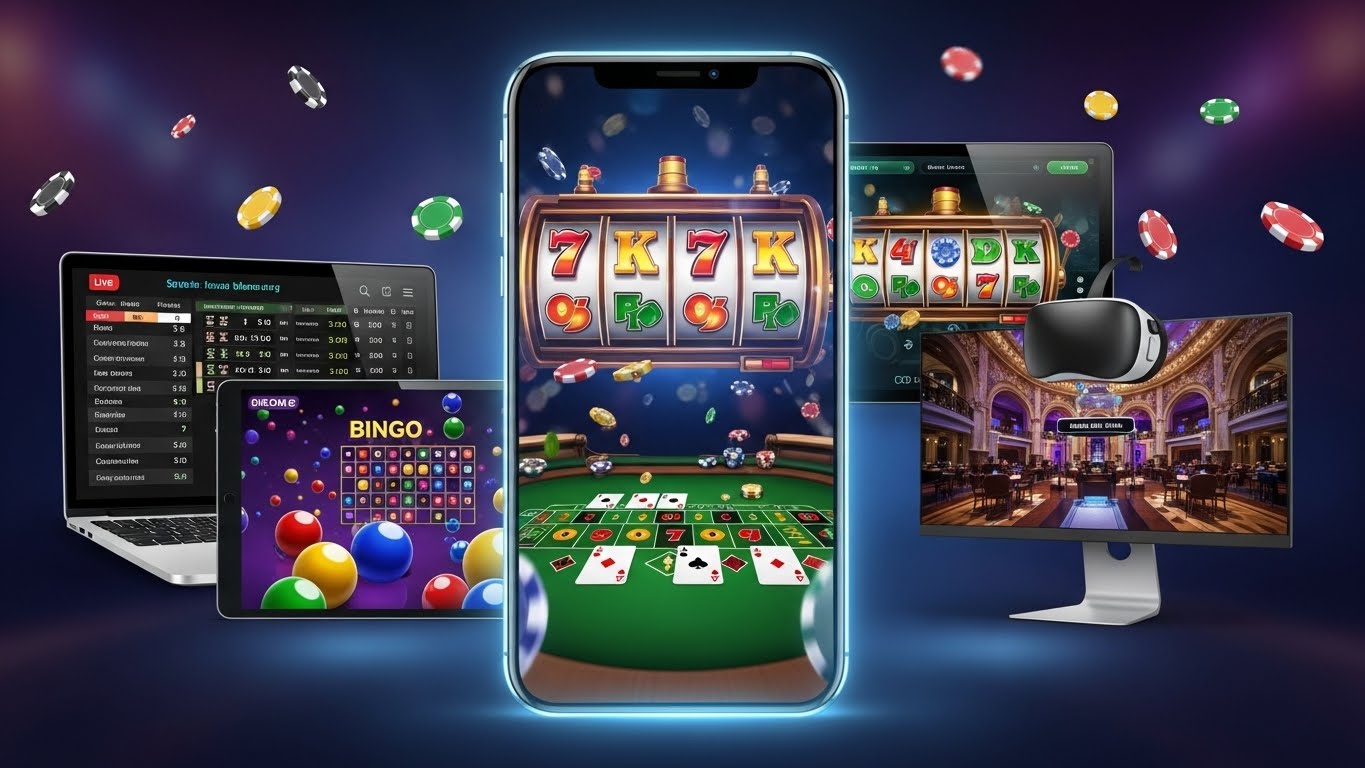
In recent years, the accessibility of mobile devices has further fueled the iGaming boom. Smartphones and tablets have enabled players to enjoy their favorite games on the go, making iGaming more convenient than ever. Mobile apps and optimized websites now allow players to access a wide variety of games, from video slots to live dealer experiences, anytime and anywhere. This shift to mobile-first gaming has opened up new demographics, with younger players particularly drawn to the convenience and flexibility of mobile play. As mobile technology continues to improve, so too does the quality of mobile gaming experiences, which now feature graphics, gameplay, and features comparable to those on desktop computers.
Live Dealer Games: Blurring the Line Between Digital and Physical
One of the most innovative developments in iGaming has been the advent of live dealer games. These games combine the convenience of online gambling with the authenticity of a brick-and-mortar casino. Players can engage with real dealers, who broadcast their games in real-time via high-definition video streaming. Whether playing blackjack, roulette, or baccarat, players can interact with the dealer and other participants through live chat features. This immersive experience has become particularly popular during the COVID-19 pandemic, as players sought to replicate the social aspects of gambling from the comfort of their homes. Live dealer games have added a personal touch to the online gambling experience, making it feel more genuine and interactive.
Sports Betting in the Digital Age
Sports betting has long been a central pillar of gambling, and iGaming has taken this traditional form of betting to new heights. The ability to bet on live sporting events, such as football, basketball, and horse racing, has revolutionized the industry. Online sportsbooks provide bettors with real-time odds, statistics, and the ability to place wagers instantly, creating a dynamic and engaging experience. In addition to traditional sports, the rise of esports betting has brought a whole new audience to online gambling. Competitive video gaming has become a global spectator sport, and platforms now allow players to wager on major esports events such as Dota 2, League of Legends, and Counter-Strike. This expansion into the esports world shows how iGaming continues to evolve, attracting younger, tech-savvy audiences.
The Technology Behind iGaming
The backbone of iGaming is technology, which has enabled the industry to offer innovative and secure gaming experiences. Random Number Generators (RNGs) are at the core of most online casino games, ensuring that results are fair and unbiased. RNGs are algorithms that produce random results, making it impossible for players or casinos to manipulate the outcome of a game. On top of RNGs, encryption technologies are essential for protecting players’ personal and financial information. Advanced encryption methods ensure that data is transmitted securely, safeguarding players from cyber threats.
Another technological advancement that has shaped iGaming is Artificial Intelligence (AI). AI is being used to personalize gaming experiences, with platforms recommending games based on player behavior and preferences. It is also being utilized in customer service, where chatbots provide instant support to players. AI is even helping to monitor for signs of problem gambling, allowing operators to intervene when necessary. The integration of AI into iGaming platforms is making games more engaging, safer, and user-friendly.
The Importance of Regulation in iGaming
As the iGaming industry has grown, so has the need for regulation. Unlike traditional casinos, which are subject to strict government oversight, online casinos often operate in a more fragmented regulatory environment. Different countries and regions have different laws regarding online gambling, and this has created a patchwork of regulations. In some areas, online gambling is completely legal, while in others, it is heavily restricted or outright banned.
To protect players and ensure fairness, many iGaming platforms operate under licenses from reputable gambling authorities, such as the UK Gambling Commission, the Malta Gaming Authority, and the Curacao eGaming License. These regulatory bodies enforce rules that ensure that online casinos operate fairly, transparently, and responsibly. They also require operators to implement measures that protect players from fraud, promote responsible gambling, and prevent money laundering. In regulated markets, players can trust that the games they play are fair and that their personal data is secure.
The Social Aspect of iGaming
While gambling is often seen as a solitary activity, iGaming has introduced a social dimension to online play. Many platforms now feature multiplayer games, live chat functions, and even virtual communities where players can interact with each other. Social features such as leaderboards, tournaments, and rewards encourage friendly competition and create a sense of belonging within the gaming community. For some, online gambling is as much about social interaction as it is about the thrill of the game itself.
Moreover, the rise of live streaming platforms like Twitch has further amplified the social aspects of iGaming. Gamers and bettors alike can watch others play, discuss strategies, and share experiences in real time. The social component has made iGaming more engaging, turning it from a solitary activity into a shared experience.
The Challenges and Risks of iGaming
Despite its rapid growth and popularity, iGaming is not without its challenges. One of the most significant concerns is problem gambling. While many platforms have implemented tools to help players manage their gambling behavior—such as deposit limits, self-exclusion options, and responsible gambling reminders—there is still a risk of addiction. The accessibility and convenience of online gambling can make it difficult for some individuals to maintain control over their gaming habits.
Another challenge is the issue of fraud and security. While encryption technology has made online gambling safer, there are still risks involved, especially with unregulated operators. Players must ensure they are using legitimate, licensed platforms that prioritize their security and privacy.
The Future of iGaming
The future of iGaming is bright and full of potential. As technology continues to advance, the industry will become even more immersive and interactive. Virtual reality (VR) and augmented reality (AR) are expected to play a major role in the evolution of iGaming. These technologies will create fully immersive environments where players can interact with virtual dealers, fellow players, and the gaming world in ways that feel almost real.
Blockchain technology may also play a more significant role in the future of iGaming. Cryptocurrencies like Bitcoin and Ethereum are already being used for transactions, but blockchain’s decentralized nature could offer additional benefits, such as enhanced transparency, faster payouts, and increased security.
Conclusion
iGaming has transformed the gambling landscape, offering players the convenience, variety, and excitement of a casino from the comfort of their own homes. From the early days of online casinos to the rise of live dealer games and esports betting, the industry continues to innovate and evolve. As technology advances, iGaming will only become more immersive, engaging, and accessible to players around the world. With the right balance of regulation, security, and responsible gaming practices, the future of iGaming looks incredibly promising, offering endless opportunities for both operators and players alike.