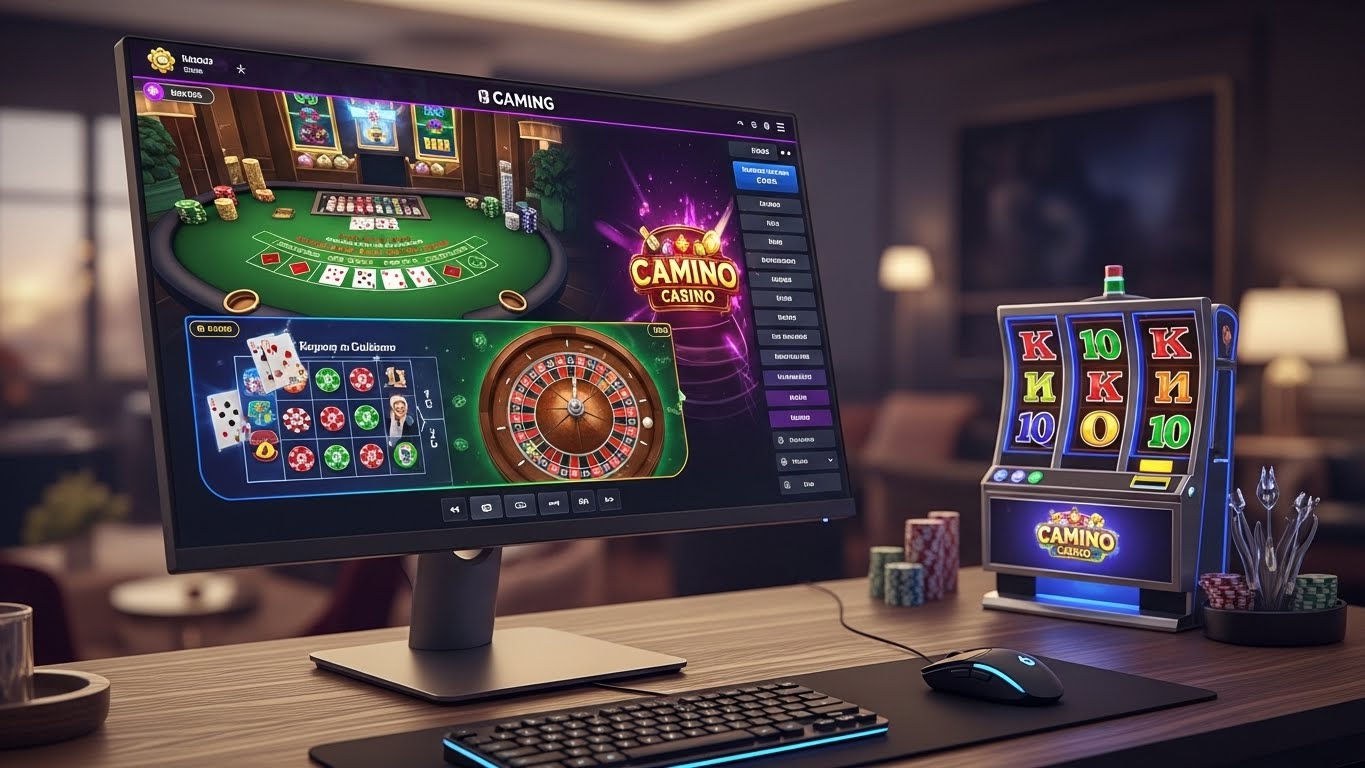


The world of gaming has always been a realm of excitement, competition, and the potential for big rewards. But in recent years, the gaming landscape has undergone a dramatic transformation. iGaming, or internet gaming, has risen from a niche online hobby to a multi-billion-dollar industry that is now at the forefront of digital entertainment. With the rise of online casinos, sports betting platforms, and innovative virtual gaming experiences, iGaming is reshaping how people engage with gaming, offering a thrilling mix of entertainment and potential financial gain. This blog post delves into the growth of iGaming, its impact on the global entertainment industry, and what the future holds for this rapidly evolving sector.
What is iGaming?
At its core, iGaming refers to any form of online gambling or gaming that allows players to wager money on various games of chance or skill via the internet. It covers a broad range of activities, from online poker and digital slot machines to sports betting and virtual table games like blackjack and roulette.
The term iGaming often refers to three primary sectors:
- Online Casinos – These platforms simulate traditional casino games like blackjack, roulette, baccarat, and slots. They offer a digital version of the land-based casino experience, with real-money betting options, live dealers, and often sophisticated software that mimics the atmosphere of a physical casino.
- Sports Betting – With the advent of online sportsbooks, betting on sports events—from football and basketball to horse racing and eSports—has become increasingly popular. Many sites offer in-play betting, which allows gamblers to place bets during an ongoing match, adding a dynamic, real-time element to the experience.
- Poker and Skill Games – Online poker platforms enable players from around the world to compete against each other for cash prizes. In addition to poker, other skill-based games, such as fantasy sports and daily fantasy leagues, fall under the umbrella of iGaming.
The accessibility of iGaming through mobile apps and websites has made it more convenient for players to enjoy their favorite games from the comfort of their homes or on-the-go. As technology advances, the options within iGaming continue to expand, adding new dimensions to online gaming and gambling experiences.
The Growth and Evolution of iGaming
iGaming’s growth can be attributed to several factors, including the widespread adoption of the internet, advancements in technology, and changing attitudes toward gambling. What was once seen as a risky, unregulated space has now evolved into a legitimate, regulated industry that attracts millions of players worldwide.
In the early days of online gambling, platforms were often small and lacked the sophisticated graphics or game variety we see today. However, with the development of secure payment methods, improved internet speeds, and enhanced user interfaces, iGaming began to attract more serious players. Over the last two decades, the industry has flourished, largely due to technological innovations and a shift in regulatory frameworks.
- Technological Advancements – One of the key drivers of iGaming’s growth is the continuous advancement in technology. High-quality graphics, 3D animations, and immersive virtual environments have significantly improved the gaming experience. Furthermore, the development of mobile gaming apps has made it easier for players to access online casinos and sportsbooks directly from their smartphones, allowing them to enjoy games wherever they are.
- Regulation and Legitimization – As iGaming gained popularity, many countries began to introduce regulations to ensure fairness, consumer protection, and responsible gaming. Regions such as Europe, the United Kingdom, and parts of the United States now have strict licensing processes for iGaming operators, which has helped build trust among players. These regulations also ensure that operators provide fair games and payout percentages, contributing to the industry’s legitimacy.
- Diverse Offerings – Today’s iGaming platforms offer a variety of experiences. Online casinos, for example, have expanded their game offerings to include live dealer games, virtual reality casino experiences, and progressive jackpot slots. Additionally, the integration of virtual sports and eSports betting has broadened the appeal of iGaming to younger, tech-savvy audiences who may not have traditionally been interested in traditional casino games.
The rise of cryptocurrency and blockchain technology has also played a role in iGaming’s evolution. Cryptocurrencies like Bitcoin offer players increased privacy, faster transactions, and reduced transaction fees, which have led to their adoption by many iGaming sites. Blockchain technology has also been used to enhance transparency and security, ensuring that players’ wagers and wins are properly recorded.
The Appeal of iGaming: Why It’s So Popular
The popularity of iGaming can be attributed to a combination of factors, including convenience, accessibility, and the potential for big winnings. Let’s take a closer look at why so many people are flocking to online gaming platforms.
- Convenience and Accessibility – One of the primary reasons iGaming has gained such a large following is its convenience. Players no longer need to visit a physical casino or sportsbook to place their bets. Whether it’s spinning a slot machine or placing a wager on a football game, iGaming offers a level of convenience that traditional gambling simply cannot match. With mobile apps and desktop platforms, players can access their favorite games anytime, anywhere.
- Variety of Games – Online casinos and sportsbooks offer a wide variety of games that cater to different preferences. Whether you enjoy classic table games like poker and roulette, or prefer to try your luck with modern video slots, iGaming platforms have something for everyone. Sports betting fans can place wagers on a broad range of events, from popular leagues like the NFL and Premier League to niche sports such as MMA, cricket, and esports tournaments.
- Bonuses and Promotions – Online gaming platforms often attract new players by offering welcome bonuses, free spins, and other promotions. These bonuses provide players with extra incentives to sign up and try out new games. Loyalty programs and VIP clubs also reward regular players, enhancing their overall experience.
- The Thrill of Winning – Ultimately, the potential to win big is one of the most compelling reasons people engage with iGaming. With the chance of hitting a progressive jackpot or making a successful bet on a long-odds sports event, iGaming offers players the opportunity to win substantial sums of money. The excitement of possibly turning a small wager into a large payout is a major draw for many players.
The Risks and Challenges of iGaming
While iGaming offers a thrilling experience, it also comes with its share of risks and challenges, particularly for players who may not engage responsibly. Just like traditional gambling, there is the risk of addiction, financial loss, and exposure to unregulated operators.
- Gambling Addiction – The convenience of online gaming makes it easy for players to indulge in excessive gambling. For some individuals, the thrill of winning combined with the accessibility of online platforms can lead to unhealthy gambling habits. Many operators now provide tools and resources to help players manage their gambling, such as setting deposit limits, self-exclusion options, and links to counseling services. However, problem gambling remains a concern, and responsible gaming practices are crucial to maintaining a healthy relationship with iGaming.
- Fraud and Security Risks – As iGaming platforms handle real money transactions, the potential for fraud and cybercrime is a concern. Players need to ensure they are using licensed and regulated platforms that take data security seriously. Many reputable iGaming sites employ encryption technology to protect players’ personal and financial information. However, the growth of the industry has also attracted rogue operators, making it important for players to do their due diligence before engaging with any platform.
- Regulation and Legal Issues – iGaming faces a complex and sometimes murky legal landscape. Different countries have varying laws regarding online gambling, with some countries having strict regulations, while others ban it outright. This can create challenges for both players and operators, as accessing iGaming platforms may be illegal or restricted depending on where the user is located. Moreover, operators must adhere to local laws and obtain the necessary licenses to legally operate in different markets.
The Future of iGaming: Innovation and Integration
As technology continues to advance, the iGaming industry is evolving in exciting new directions. Virtual reality (VR) casinos, live dealer games, and the integration of artificial intelligence (AI) are just a few of the innovations shaping the future of online gaming.
- Virtual Reality (VR) Casinos – Virtual reality is set to revolutionize the iGaming experience. VR casinos will offer an immersive environment where players can interact with their surroundings as if they were in a physical casino. Players will be able to walk around virtual casino floors, sit at poker tables, and interact with live dealers in real-time. This will provide a more realistic and engaging experience that blends the excitement of land-based casinos with the convenience of online gaming.
- Artificial Intelligence and Personalization – AI is already being used in iGaming to improve user experience and customer support. AI-powered chatbots help players with questions and issues, while machine learning algorithms analyze player behavior to suggest personalized game recommendations. In the future, AI may play an even greater role in creating customized gaming experiences based on individual preferences and playing styles.
- Cryptocurrency and Blockchain Integration – Cryptocurrencies are likely to continue growing in importance within the iGaming sector. The use of digital currencies such as Bitcoin, Ethereum, and others offers faster, more secure transactions and greater anonymity for players. Blockchain technology will also play a role in increasing transparency and fairness within iGaming platforms, particularly in terms of game fairness, payment processing, and anti-fraud measures.
Conclusion: The Future of Digital Gaming is Bright
iGaming is a rapidly growing industry that offers thrilling experiences, exciting opportunities, and a new way for people to engage with gambling and gaming. As technology continues to advance, the iGaming world will only become more immersive, personalized, and secure.