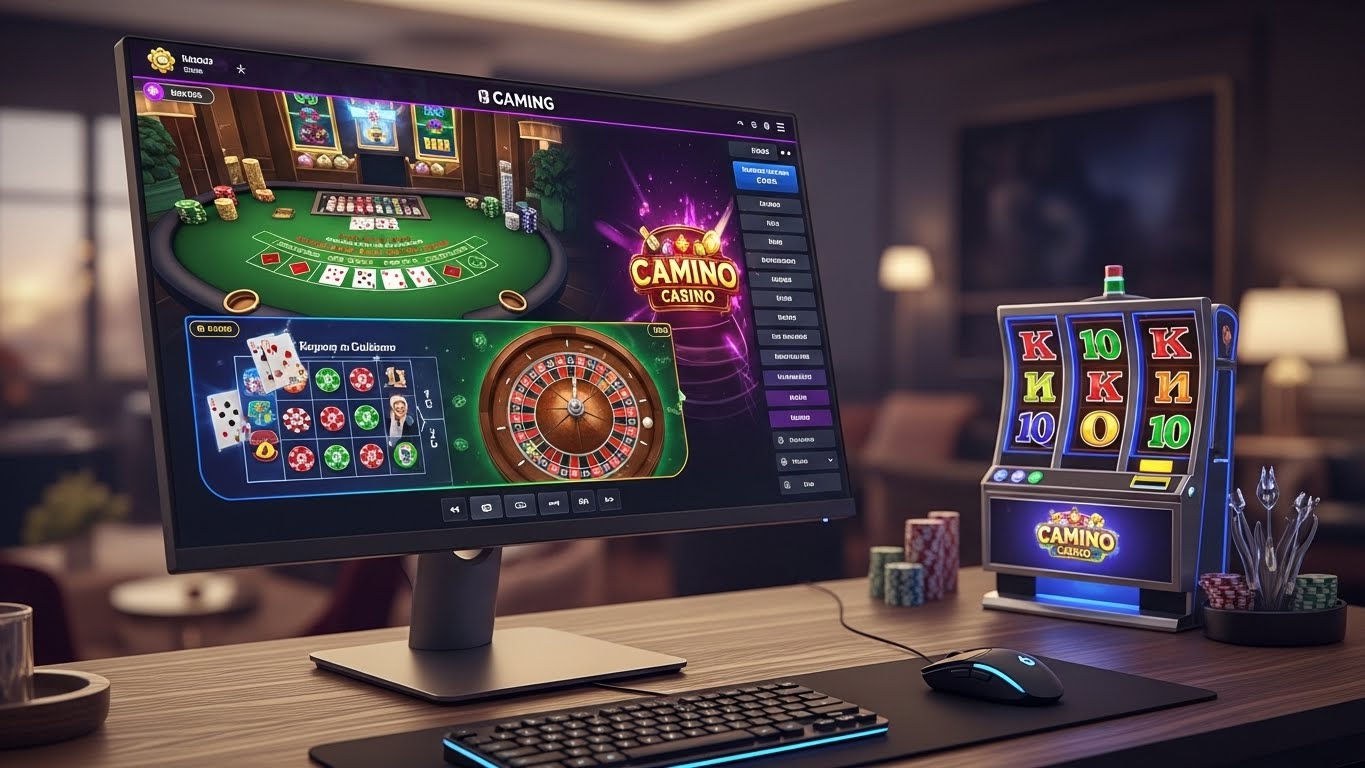


Introduction: The Rise of iGaming
In recent years, the world of online gambling, known as iGaming, has seen an unprecedented surge in popularity. iGaming refers to any type of gambling that takes place over the internet, ranging from online casinos and poker rooms to sports betting platforms and virtual slot machines. The rapid growth of the industry can be attributed to several factors, including technological advancements, increased internet accessibility, and a shift in consumer behavior towards digital entertainment.
With millions of players engaging in iGaming daily, the industry is now a significant contributor to the global economy. However, this booming sector is not without its challenges and regulatory hurdles. As the market continues to expand, the future of iGaming looks promising, but its growth will depend on addressing key issues such as responsible gaming, regulatory compliance, and technological innovations.
The Technological Drivers Behind iGaming’s Growth
One of the most significant factors driving the growth of iGaming is technology. The rise of smartphones, faster internet speeds, and the development of cutting-edge software solutions have all contributed to making online gambling more accessible, entertaining, and immersive. Let’s dive into some of the key technological advancements shaping the iGaming landscape.
- Mobile Gaming: The Shift to On-the-Go Gambling
The introduction of smartphones and tablets has revolutionized the iGaming industry. Mobile gaming now accounts for a significant portion of online gambling, with more players opting to enjoy their favorite games on-the-go. Mobile-optimized platforms and apps allow players to access a wide variety of casino games, poker rooms, and sports betting platforms anytime and anywhere. This flexibility has played a crucial role in attracting a younger demographic to the iGaming world.
- Live Dealer Games: Enhancing the User Experience
One of the most popular innovations in the iGaming industry is live dealer games. These games, which allow players to interact with real-life dealers via a live video feed, provide a more authentic and immersive casino experience. Live dealers are available for various games such as blackjack, roulette, and baccarat, bridging the gap between land-based casinos and online platforms.
The success of live dealer games highlights the importance of realism in iGaming. By incorporating elements of human interaction and offering players a more social gambling experience, these games have become a central feature of many online casinos.
- Blockchain and Cryptocurrencies: The Future of Secure Transactions
Blockchain technology and cryptocurrencies are beginning to make a significant impact on the iGaming industry. The decentralized nature of blockchain allows for greater transparency, faster transactions, and enhanced security. Players can use cryptocurrencies like Bitcoin, Ethereum, and Litecoin to deposit, wager, and withdraw funds, offering an alternative to traditional payment methods.
The adoption of blockchain in iGaming has the potential to reduce fraud, enhance fairness, and eliminate the need for intermediaries, thereby improving the overall player experience. Additionally, blockchain’s ability to create provably fair games adds another layer of trust and transparency, which is crucial in an industry that thrives on customer loyalty.
The Changing Landscape of iGaming Regulations
As iGaming continues to grow, governments around the world are grappling with how to regulate the industry. The lack of consistent regulations across jurisdictions has created a complex landscape for operators and players alike. While some countries have fully embraced online gambling, others remain hesitant or have banned it entirely. The need for a unified approach to iGaming regulation has become more apparent as the industry expands.
- Global Variations in iGaming Regulations
Regulations governing iGaming vary greatly from one country to another. For instance, in the United Kingdom, online gambling is highly regulated, with strict rules on player protection, advertising, and fair play. In contrast, in countries like the United States, the legal status of online gambling varies by state, with some states offering legal iGaming options, while others have not legalized the practice at all.
In some regions, online gambling is entirely prohibited, and operators who attempt to offer services to residents may face hefty fines or legal action. This patchwork of regulations makes it challenging for iGaming operators to navigate international markets, as they must comply with local laws while also adhering to the rules of the global industry.
- Responsible Gambling Initiatives and Player Protection
As the popularity of iGaming grows, so does the need for responsible gambling initiatives. Governments and operators are increasingly focusing on player protection and responsible gambling practices to ensure that players are not falling victim to addiction or financial hardship.
Online casinos and sports betting platforms are now required to implement responsible gambling tools such as self-exclusion, deposit limits, and time-out features. These measures are designed to help players manage their gambling habits and avoid the negative consequences of excessive gambling.
Additionally, the industry has seen a rise in initiatives aimed at educating players about the risks associated with gambling. Responsible gambling organizations and industry watchdogs play an essential role in promoting safe gaming practices and advocating for player welfare.
iGaming Trends: What’s Next for the Industry?
As iGaming continues to evolve, several trends are emerging that could shape the future of the industry. These trends reflect the growing demand for innovation, better user experiences, and enhanced accessibility. Here are some of the key trends to watch out for:
- Virtual Reality (VR) and Augmented Reality (AR) in iGaming
Virtual reality and augmented reality are poised to transform the online gambling experience. By creating immersive, 3D environments, VR and AR can transport players to virtual casinos where they can interact with other players and experience games in a completely new way.
For instance, VR casinos could allow players to explore digital environments, sit at a blackjack table, and interact with other players and dealers as if they were physically present in the casino. These technologies are still in their early stages, but they hold immense potential to revolutionize the way people engage with iGaming platforms.
- Personalized Gaming Experience
The demand for personalization in online entertainment is on the rise, and iGaming is no exception. Operators are increasingly using data analytics and artificial intelligence to create tailored gaming experiences for players. By analyzing player behavior, preferences, and play history, operators can offer personalized game recommendations, bonus offers, and promotions that enhance player engagement.
Moreover, personalized experiences can help operators retain players by offering rewards and incentives that align with individual preferences, fostering a sense of loyalty.
- Skill-Based Gaming and eSports Betting
Another emerging trend in iGaming is the integration of skill-based games and eSports betting. Unlike traditional casino games, where outcomes are based on chance, skill-based games allow players to use their abilities to influence the results. Games like competitive video games and poker are gaining traction, especially among younger players.
eSports, in particular, has seen explosive growth in recent years, with millions of fans watching live streams of professional gaming tournaments. Betting on eSports events is becoming increasingly popular, as players wager on the outcomes of major tournaments and matches.
Challenges Facing the iGaming Industry
Despite its rapid growth, the iGaming industry faces several challenges that could hinder its long-term success. These challenges include regulatory hurdles, concerns about gambling addiction, and the ongoing need for innovation.
- Regulatory Compliance
As mentioned earlier, iGaming operators must navigate a complex web of regulations across various jurisdictions. Compliance with local laws is critical to maintaining a reputable and legal operation. However, the lack of consistent regulations can be a significant obstacle for operators, particularly when expanding into new markets.
- Gambling Addiction and Player Protection
Gambling addiction remains one of the most significant challenges facing the iGaming industry. While responsible gambling initiatives have been implemented, there are still concerns about players who become addicted to online gambling. Operators must continue to invest in tools and resources to help players manage their behavior and avoid the negative consequences of problem gambling.
- Security and Fraud Prevention
As with any online platform, iGaming sites are vulnerable to cybersecurity threats. Hackers and fraudsters may attempt to exploit vulnerabilities to steal players’ personal information or funds. Ensuring the security of financial transactions and personal data is crucial for maintaining player trust and confidence.
Conclusion: The Future of iGaming
The iGaming industry is poised for continued growth, driven by technological advancements, the increasing popularity of mobile gaming, and the adoption of cryptocurrencies. While challenges such as regulatory compliance, responsible gambling, and security remain, the industry’s future looks promising. Innovations like VR, AR, and personalized gaming experiences will continue to shape the sector, offering players more immersive and engaging ways to enjoy their favorite games.
As the industry evolves, it is essential for operators, regulators, and players to work together to ensure that iGaming remains a safe, secure, and enjoyable form of entertainment. By embracing new technologies, fostering responsible gambling practices, and addressing the challenges that arise, iGaming can continue to thrive in the years to come.