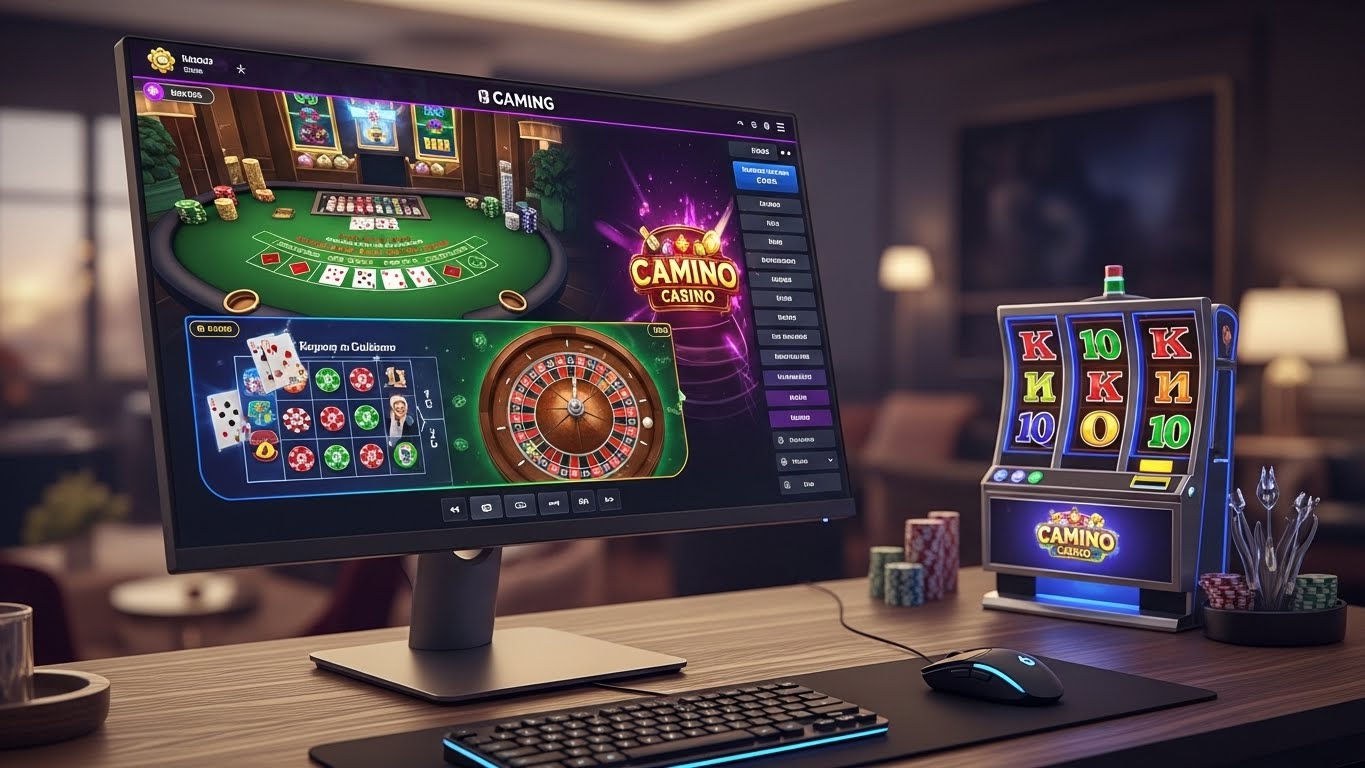


Over the past few decades, the entertainment industry has undergone a significant transformation. One of the most notable changes has been the rise of iGaming, which refers to interactive gaming and gambling through digital platforms. iGaming, which includes online casino games, sports betting, poker, and more, has quickly become one of the largest sectors in the global entertainment landscape. It has transformed the way people engage with gambling, offering new levels of convenience, accessibility, and excitement. In this blog post, we will explore how iGaming has evolved, the factors driving its growth, the challenges it faces, and what the future may hold for this booming industry.
What is iGaming?
iGaming, short for interactive gaming, refers to gambling activities that are conducted online or via digital platforms. This includes a wide range of activities such as online casino games (slots, blackjack, roulette), online poker rooms, sports betting, esports betting, bingo, and other types of gambling. The key characteristic of iGaming is that it allows players to engage in gambling activities without needing to visit a physical casino or sportsbook. With the rise of smartphones, tablets, and high-speed internet, players can now gamble from anywhere, anytime, making iGaming an attractive option for millions of people worldwide.
The iGaming industry encompasses a broad range of services and platforms, including traditional gambling games, live dealer games, skill-based games, and virtual sports. These platforms often use sophisticated software and encryption technology to ensure a secure and fair gaming environment for users.
The Rise of iGaming: A Historical Perspective
While gambling has existed for centuries, the emergence of iGaming can be traced back to the mid-1990s when the internet started to gain mainstream popularity. The first real-money online casino was launched in 1996 by a company called InterCasino. This was a breakthrough moment for the gambling industry, as it introduced the concept of online casinos where players could gamble from the comfort of their homes.
By the late 1990s, online poker rooms began to emerge, and soon after, sportsbooks started offering online betting options. The early 2000s saw rapid expansion, with several companies launching online platforms for various types of gambling. A significant milestone was the launch of PokerStars and 888casino, which quickly became industry leaders.
The arrival of high-speed broadband internet in the 2000s was another key moment in iGaming’s growth. As internet speeds improved and became more widely available, players were able to access online gambling platforms more reliably. Additionally, the introduction of mobile devices, such as smartphones and tablets, further accelerated the growth of iGaming, as players could now gamble on the go. This shift to mobile gaming has become one of the most important trends in the industry, as an increasing number of players prefer to use their mobile devices to engage with gambling platforms.
Key Drivers of iGaming’s Growth
Several factors have contributed to the explosive growth of the iGaming industry. These factors range from technological advancements to changes in consumer behavior, regulatory shifts, and an increased focus on user experience. Let’s explore some of the main drivers behind the growth of iGaming.
1. Technological Advancements
Technology is arguably the biggest factor behind the rise of iGaming. Over the past few years, advancements in software development, artificial intelligence (AI), and live streaming have revolutionized the online gambling experience. The introduction of advanced random number generators (RNGs) has ensured that games like slots, roulette, and blackjack remain fair and unpredictable.
Another significant development is the use of live dealer games. These games offer players the chance to engage with professional dealers in real-time via video streaming. Players can place bets and interact with the dealer as if they were at a physical casino, but from the comfort of their homes. This has enhanced the realism and engagement of iGaming, providing a more immersive experience for players.
Moreover, virtual reality (VR) is beginning to make its mark on the iGaming sector. VR casinos, for example, offer players a fully immersive gambling experience, allowing them to explore virtual casinos, interact with other players, and participate in live dealer games in a more lifelike environment. While still in its early stages, VR is expected to play a significant role in the future of iGaming.
2. Convenience and Accessibility
One of the biggest attractions of iGaming is the convenience it offers. Traditional land-based casinos often require players to travel, dress formally, and adhere to strict opening hours. In contrast, iGaming platforms allow players to gamble at any time of day or night, from anywhere in the world, as long as they have an internet connection.
The rise of mobile gaming has further enhanced accessibility. Most iGaming platforms now have dedicated apps or mobile-optimized websites, making it easy for players to access their favorite casino games, place sports bets, or play poker while on the go. Whether commuting to work or relaxing at home, players can engage in their favorite gambling activities with just a few taps on their smartphones or tablets.
The ease of access to iGaming has attracted a new generation of players, especially younger demographics who are more accustomed to digital entertainment. The ability to gamble on mobile devices and PCs has made iGaming more inclusive, allowing people who may not have access to physical casinos to engage with the industry.
3. Payment Innovations
The availability of secure and convenient payment methods is another critical factor driving the growth of iGaming. Online casinos and gambling platforms now offer a wide range of deposit and withdrawal options, including credit and debit cards, e-wallets (e.g., PayPal, Skrill, Neteller), and even cryptocurrencies like Bitcoin and Ethereum.
Cryptocurrency, in particular, has seen growing acceptance in the iGaming industry due to its anonymous and secure nature. Many players prefer using cryptocurrencies for online gambling because they provide faster transactions, lower fees, and greater privacy compared to traditional payment methods.
The introduction of instant payment solutions and digital wallets has further improved the user experience. Players can now deposit and withdraw funds with ease, reducing the barriers to entry for new players and increasing the overall convenience of the process.
4. Legalization and Regulation
As the iGaming industry has grown, so has the need for regulation and oversight. Governments around the world have started to recognize the potential economic benefits of regulating online gambling, leading to the introduction of licenses for operators and the establishment of laws to protect consumers.
In the United States, the legalization of sports betting in 2018 following a Supreme Court ruling opened the door for further expansion of iGaming. Since then, several states have legalized online sports betting and casino games, with more expected to follow suit in the coming years.
In Europe, the United Kingdom and Malta are two of the leading jurisdictions for regulated iGaming, with strict laws in place to ensure fairness, security, and responsible gambling. The rise of regulated markets has given players greater confidence in the safety and fairness of online gambling platforms, leading to increased participation.
The Benefits and Risks of iGaming
While iGaming offers many advantages, such as convenience, accessibility, and the potential for significant financial gain, it also comes with its own set of challenges and risks.
1. Benefits of iGaming
- Convenience and Flexibility: Players can gamble from anywhere and at any time, using a variety of devices, including smartphones and tablets. This flexibility has made iGaming accessible to a broader audience, including people who may not have easy access to physical casinos.
- A Wide Variety of Games: iGaming platforms offer a vast array of games, including slots, poker, blackjack, roulette, and more. Players can choose from a variety of formats and bet sizes, catering to all types of gamblers.
- Bonuses and Promotions: Online gambling platforms often offer attractive bonuses and promotions, such as welcome bonuses, free spins, and loyalty rewards. These incentives can enhance the gaming experience and provide players with additional chances to win.
2. Risks of iGaming
- Addiction and Responsible Gambling: One of the biggest concerns surrounding iGaming is the potential for gambling addiction. The ease of access and availability of games 24/7 can make it harder for some individuals to control their gambling habits. Operators are increasingly focusing on responsible gambling measures, such as self-exclusion options and tools to set betting limits, to mitigate this risk.
- Fraud and Security Concerns: While most regulated iGaming platforms use advanced encryption technologies to protect users, there are still risks associated with fraudulent or unregulated operators. Players should always ensure that the platform they choose is licensed and regulated to avoid falling victim to scams.
- Legal and Regulatory Issues: iGaming’s legal status varies greatly from country to country. While some nations have fully legalized online gambling, others have strict laws prohibiting it. This creates uncertainty for players, especially those who wish to engage in cross-border gambling.
The Future of iGaming
Looking ahead, the future of iGaming appears bright, with several trends poised to shape its continued evolution. The integration of new technologies like virtual reality (VR) and augmented reality (AR) will likely make online gambling even more immersive. The use of artificial intelligence (AI) to create personalized gaming experiences and to improve customer service will also become more common.
Mobile gaming will continue to be a dominant force in iGaming, as smartphones and tablets become increasingly powerful and accessible. Additionally, the expansion of legalized gambling in new regions will open up new markets for iGaming operators.
As the industry grows, regulators will likely continue to refine laws and regulations to address emerging issues, including responsible gambling practices and consumer protection. These developments will help ensure that iGaming remains a safe and enjoyable form of entertainment for players worldwide.
Conclusion
iGaming has evolved from a small niche market into one of the fastest-growing sectors in the global entertainment industry. Driven by technological innovations, convenience, and changing consumer preferences, online gambling is now a multi-billion-dollar industry with a global reach