
Introduction
Video games have always been about immersion. From the early days of pixelated arcade classics to today’s hyper-realistic 3D worlds, developers have constantly pushed the boundaries of what players can experience. One of the most groundbreaking innovations in recent years has been augmented reality (AR) gaming. Unlike virtual reality, which transports players to a fully digital environment, augmented reality blends the digital and physical worlds together, overlaying game elements onto real-life surroundings.
This technology has not only changed how games are played but has also transformed the way people interact with the world around them. From the explosive success of titles like Pokémon Go to new immersive applications across different genres, AR games are creating a new dimension of entertainment that appeals to casual gamers and enthusiasts alike.
What is Augmented Reality Gaming?
Augmented reality gaming is the integration of game elements with real-world environments through devices such as smartphones, tablets, AR glasses, or headsets. Unlike traditional video games that take place on a flat screen, AR games use cameras, sensors, and software to place digital characters, objects, and effects into the physical spaces around the player.
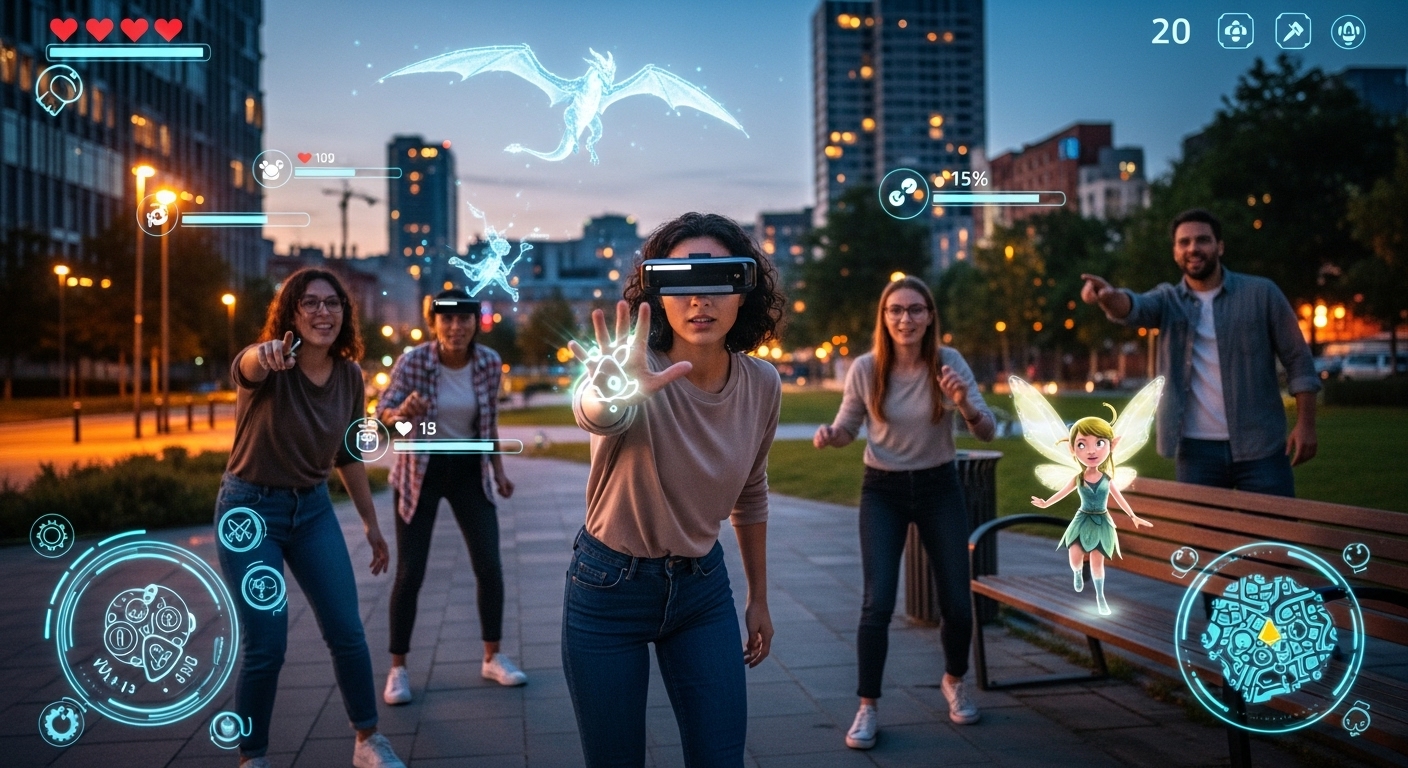
This means players can see dragons flying over their living room, zombies chasing them down the street, or virtual treasure hidden in their local park. By merging the real and digital worlds, AR games create a sense of immersion and interaction that feels more tangible than traditional gaming.
The Breakthrough Moment: Pokémon Go
The real turning point for AR gaming came in 2016 with the release of Pokémon Go. Developed by Niantic, the game quickly became a cultural phenomenon, encouraging millions of players to step outside and explore their neighborhoods in search of virtual Pokémon.
What made Pokémon Go special was not just its nostalgic appeal but its ability to connect the digital adventure with physical exploration. Players traveled to parks, landmarks, and even small local businesses to find rare creatures, battle at gyms, and complete challenges.
The game proved that AR was more than just a gimmick—it could create a global social phenomenon. Overnight, people who had never considered themselves gamers were out walking miles, meeting new people, and experiencing their cities in entirely new ways.
Social Interaction Through AR
One of the key features of AR games is their emphasis on social interaction. Unlike many traditional games that are confined to private spaces, AR often encourages players to move outdoors and engage with other people.
Games like Pokémon Go or Harry Potter: Wizards Unite have hosted community days where players gather at specific locations to complete challenges together. This social element transforms gaming from a solitary activity into a shared cultural experience.
Even beyond organized events, the simple act of spotting another person playing the same AR game creates instant connection. It’s not unusual to see strangers team up to catch rare creatures or solve puzzles together.
The Health and Lifestyle Benefits
Another surprising impact of AR gaming is its effect on lifestyle and health. Many games encourage physical movement as part of their core design. For example, walking is often necessary to hatch eggs in Pokémon Go or to unlock certain features in other AR titles.
This active component helps reduce the sedentary nature often associated with gaming. Players who may have otherwise spent hours sitting indoors are now exploring parks, hiking trails, and urban landmarks. In many ways, AR gaming has gamified exercise, making physical activity fun and rewarding.
Expanding Genres of AR Games
While early AR titles focused on exploration and collection mechanics, the genre is now expanding into different directions:
AR Shooters
Games are being developed where players use their surroundings as battlefields, transforming ordinary streets or backyards into action-packed arenas filled with enemies.
Puzzle and Adventure Games
Some AR games overlay mysteries, riddles, and hidden clues into real-world spaces, encouraging players to solve challenges by interacting with their environment.
Sports and Fitness AR
Titles are emerging that use AR to enhance physical activities like running, biking, or even yoga. Imagine chasing a virtual opponent during your morning jog or using AR guides to perfect your workout posture.
Educational AR Games
AR is also being used in educational gaming, allowing students to interact with historical figures, explore the solar system, or learn biology by examining 3D models in their classrooms.
The Role of Technology in AR Gaming
The growth of AR gaming has been made possible by rapid advancements in technology:
- Smartphones: High-resolution cameras, GPS, and motion sensors make phones the perfect platform for AR games.
- AR Glasses and Headsets: Emerging devices like smart glasses will soon make AR even more seamless, allowing players to experience digital overlays without holding a screen.
- 5G Networks: Faster and more reliable internet connections allow AR games to function smoothly, even in crowded areas.
- Artificial Intelligence: AI helps AR systems recognize real-world objects and environments, making digital elements blend more naturally into physical spaces.
Challenges Facing AR Games
Despite the success and excitement surrounding AR, the genre also faces several challenges:
Safety Concerns
Since AR games often require players to focus on their screens while moving through real environments, accidents and safety issues can arise. Developers continue to refine safety reminders and gameplay mechanics to minimize risks.
Device Limitations
Not all devices support advanced AR features. While most modern smartphones are equipped for AR, older models may not provide the same quality experience.
Longevity of Player Interest
Many AR games struggle to maintain player engagement after the initial excitement fades. Developers need to consistently update content, introduce events, and innovate gameplay to keep communities active.
AR Games and Business Opportunities
AR gaming has also created new business opportunities. Local businesses often partner with AR developers to become in-game locations, attracting customers through foot traffic. Restaurants, cafes, and shops have seen increased visits by becoming hotspots for in-game activities.
Additionally, AR advertising allows brands to integrate into these experiences in creative ways. A soda company might sponsor an in-game event, or a clothing store could create exclusive AR content for customers visiting their locations.
The Future of AR Gaming
The future of augmented reality gaming looks bright. As technology improves, AR will become more immersive, realistic, and accessible. Imagine putting on lightweight AR glasses and seeing digital dragons soaring above city skyscrapers, or embarking on a treasure hunt where every step in your neighborhood brings you closer to a digital prize.
With the rise of the metaverse and advancements in artificial intelligence, AR games will likely integrate even more deeply into daily life. Multiplayer AR experiences could span entire cities, blending storytelling, competition, and exploration into truly unforgettable adventures.
In the long run, AR could extend beyond entertainment into education, training, tourism, and even therapy, making it one of the most versatile technologies shaping our future.
Conclusion
The rise of augmented reality games represents one of the most exciting shifts in modern gaming. By merging the digital and physical worlds, AR has created experiences that go beyond traditional boundaries. It has encouraged people to explore their surroundings, connect with others, and even adopt healthier lifestyles.
From the cultural explosion of Pokémon Go to the promise of even more immersive AR experiences in the future, this genre continues to redefine what gaming means. While challenges remain, the potential of AR is limitless. As technology continues to evolve, the world around us will increasingly become a playground where imagination and reality coexist.