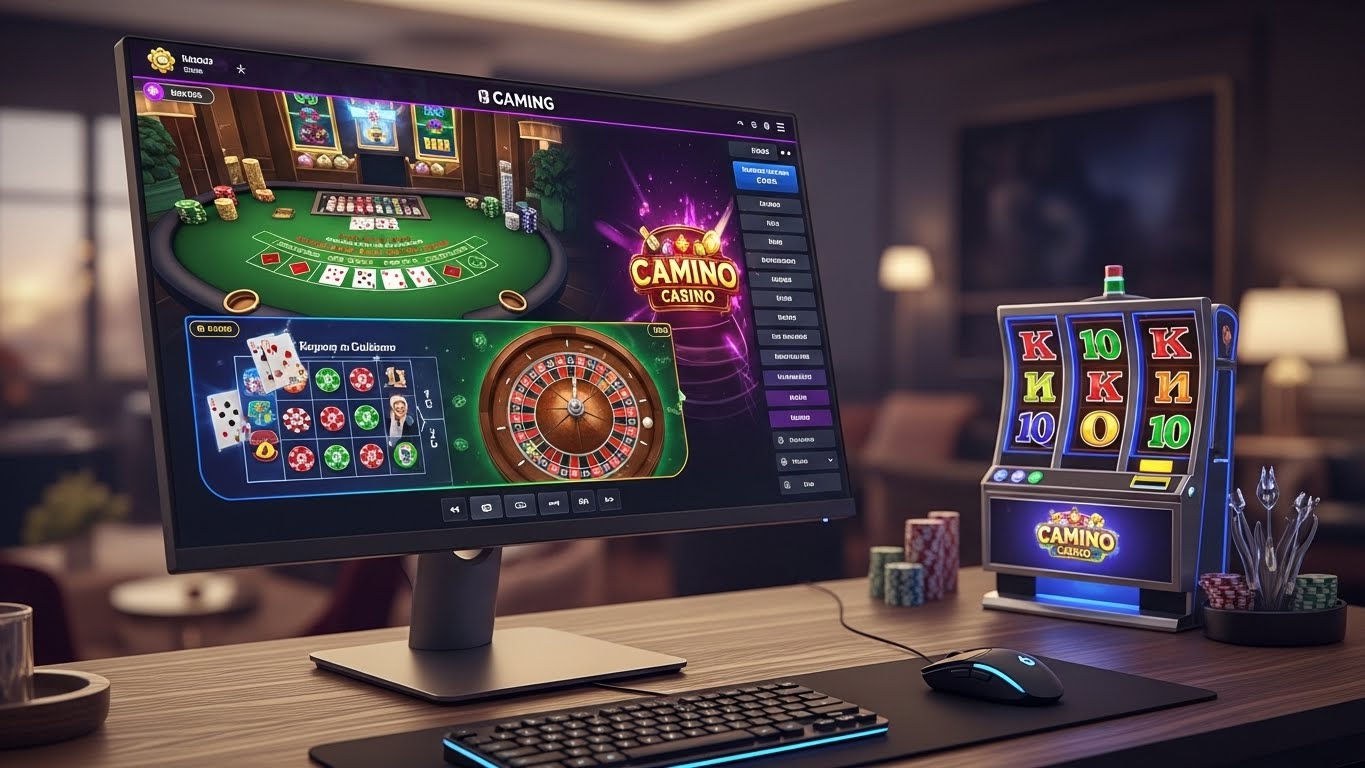


The world of iGaming, or online gaming, has rapidly become a multi-billion-dollar industry that is revolutionizing the way people interact with games of chance. Once confined to traditional brick-and-mortar casinos, gambling has undergone a dramatic transformation thanks to the rise of the internet, mobile technology, and the growing popularity of digital entertainment. Today, players from across the globe can access a vast array of casino games, sports betting, poker rooms, and more—all from the comfort of their homes or on the go through smartphones and tablets.
As iGaming continues to grow and evolve, its impact on the global economy, social behaviors, and the entertainment landscape is profound. In this blog post, we will delve into the dynamic world of iGaming, its rise in popularity, technological advancements, legal landscape, and the challenges and opportunities that lie ahead.
The Growth of the iGaming Industry: From Land-Based Casinos to Online Platforms
iGaming, or online gambling, refers to the use of the internet to participate in games of chance or skill for real money. The growth of this industry can be attributed to a combination of factors: increased internet accessibility, smartphone technology, and the rise of online payment methods, among others. Initially, online gambling started with online casinos offering virtual versions of classic table games like blackjack, roulette, and poker.
The iGaming industry began to take shape in the mid-1990s when Antigua and Barbuda passed the Free Trade & Processing Act, allowing businesses to set up online gambling operations. This was a game-changer, as it made it legal for operators to offer gambling services to international players. Shortly after, a few pioneering companies launched online casinos, and the first online poker rooms appeared in the late 1990s.
As technology continued to improve, more sophisticated software was developed to enhance the gaming experience. This led to the creation of realistic 3D slots, immersive live dealer games, and mobile-friendly platforms, making iGaming more attractive to a larger audience.
Today, the iGaming industry encompasses a broad range of activities, from online poker rooms and virtual casinos to sports betting, eSports betting, and fantasy sports. It’s estimated that the global iGaming market is valued at over $70 billion, and its growth trajectory remains strong, with new technologies and trends constantly shaping its future.
The Role of Technology in Shaping the Future of iGaming
Technology has played a pivotal role in the evolution of iGaming. The rapid advancements in internet speed, mobile devices, and gaming software have all contributed to the accessibility and appeal of online gambling.
- Mobile Gaming: One of the most significant technological advancements in iGaming has been the rise of mobile gaming. With smartphones and tablets now ubiquitous, players can gamble anytime, anywhere. Mobile apps for online casinos and betting platforms have made it easy to access favorite games, place bets, or participate in live poker tournaments while on the go. This shift to mobile-first gaming has expanded the iGaming market by catering to a broader demographic, including younger, tech-savvy users.
- Live Dealer Games: Live dealer games have brought a new level of authenticity to online gambling. Through the use of live streaming technology, players can now interact with real dealers in real time, adding a social and immersive aspect to the experience. This has been particularly popular in games like blackjack, roulette, and baccarat, where the presence of a live dealer mimics the feeling of being in a physical casino. The integration of high-quality video streaming and advanced gaming interfaces has elevated the player experience and increased the credibility of online casinos.
- Virtual and Augmented Reality (VR & AR): Virtual reality and augmented reality are on the horizon of iGaming. With VR headsets becoming more affordable and accessible, the possibility of fully immersive virtual casinos is a tantalizing prospect. Imagine walking through a digital casino floor, interacting with other players and dealers, all from the comfort of your home. This kind of experience could redefine the social aspect of online gambling and attract a whole new generation of players looking for cutting-edge entertainment.
- Artificial Intelligence (AI): AI is beginning to have a major impact on iGaming in areas such as customer service, game development, and responsible gambling. AI-powered chatbots provide immediate assistance to players, answering queries and resolving issues in real-time. Additionally, AI is used to create more sophisticated game algorithms that can adapt to players’ strategies, creating dynamic gaming experiences. AI is also playing a role in detecting fraudulent activities and ensuring fairness in games.
- Cryptocurrencies: Cryptocurrencies like Bitcoin, Ethereum, and Litecoin have introduced a new way of transacting within the iGaming world. Cryptos offer anonymity, fast transactions, and low fees, which appeal to players looking for privacy and efficiency in their online gambling experiences. Some iGaming platforms now accept cryptocurrencies for deposits and withdrawals, making them more accessible to players from countries where traditional banking is limited or restrictive.
Regulatory and Legal Landscape: Challenges and Opportunities
As the iGaming industry continues to expand globally, the legal and regulatory landscape becomes increasingly complex. Gambling laws vary greatly by country, and many jurisdictions are still grappling with how to regulate online gambling activities. Some countries have fully embraced online gambling, while others continue to ban or heavily restrict it.
- Licensing and Regulation: For iGaming operators, obtaining a proper license is crucial. Licensing jurisdictions such as the United Kingdom, Malta, and Gibraltar have well-established frameworks for regulating online gambling, ensuring that operators are transparent, fair, and financially stable. These licenses offer players peace of mind, knowing that they are playing in a safe and secure environment. However, operators must also navigate a maze of regional regulations, which can create challenges when trying to expand into new markets.
- Responsible Gambling: One of the biggest concerns for regulators is ensuring that iGaming platforms promote responsible gambling practices. The accessibility of online casinos and sports betting platforms has led to concerns about addiction and problem gambling. As a result, many jurisdictions have introduced measures to protect vulnerable players, such as self-exclusion programs, deposit limits, and mandatory age verification. Operators are increasingly incorporating responsible gambling tools into their platforms, offering players resources to monitor and control their gambling behavior.
- The US Market: The legal landscape in the United States is particularly interesting, as online gambling laws have been evolving over the past decade. While Nevada, New Jersey, and Pennsylvania have legalized online casinos and sports betting, other states have been slow to follow suit. The passage of the 2018 Supreme Court decision to repeal the Professional and Amateur Sports Protection Act (PASPA) allowed states to legalize sports betting, and as a result, many are now exploring ways to regulate online gambling. As more states pass iGaming legislation, the U.S. market is expected to become one of the largest and most profitable in the world.
- International Expansion: The global nature of iGaming also presents challenges in terms of cross-border regulations. Different countries have different approaches to gambling, and international operators must navigate a patchwork of laws and regulations. However, as more countries see the potential for tax revenue from online gambling, many are moving toward legalization and regulation, which is opening up new markets for operators.
The Social Impact of iGaming: Opportunities and Concerns
iGaming has not only impacted the economy but also society at large. As the industry has grown, it has raised both positive and negative social implications.
- Job Creation: The iGaming industry has created thousands of jobs across various sectors, including software development, customer service, marketing, and regulation. These jobs contribute to local economies, particularly in countries where iGaming operations are based. Additionally, the growth of the industry has led to the emergence of new careers in areas like responsible gambling, data analysis, and game design.
- Problem Gambling: One of the most significant concerns surrounding iGaming is the potential for addiction. The easy access and 24/7 availability of online gambling make it possible for players to gamble excessively, sometimes to the detriment of their personal, financial, and social well-being. Many operators are working to address this issue by implementing responsible gambling tools, offering resources for players to seek help, and promoting education around the risks of gambling addiction.
- Consumer Protection: As with any digital service, protecting consumers from fraud, data breaches, and unfair practices is a major priority. Regulatory bodies ensure that licensed operators adhere to strict rules regarding player protection, payment security, and fair gaming practices. Players need to be aware of potential risks and make sure they are using licensed and regulated platforms to safeguard their personal and financial information.
- Cultural Shifts: iGaming has become an integral part of mainstream entertainment, and attitudes toward gambling have evolved. While some view it as a harmless pastime, others may be more cautious about the potential harms. The growing acceptance of online gambling, especially in younger generations, signals a cultural shift toward embracing digital entertainment as a legitimate form of leisure.
The Future of iGaming: What Lies Ahead?
The future of iGaming looks bright, with continued growth expected in all areas of online gambling. As technology advances and new regulations take shape, the industry will continue to innovate and adapt to meet the needs of modern players. Here are a few key trends to watch for in the coming years:
- Further Expansion into Emerging Markets: As new markets open up, particularly in regions like Asia and Latin America, iGaming operators are eager to expand their reach. These regions represent untapped opportunities for growth, with a burgeoning middle class and increasing access to the internet.
- Increased Integration of eSports: eSports betting is on the rise, and it is expected to become a larger component of the iGaming market. With the popularity of competitive gaming growing worldwide, many online gambling platforms are incorporating eSports events and tournaments into their betting offerings.