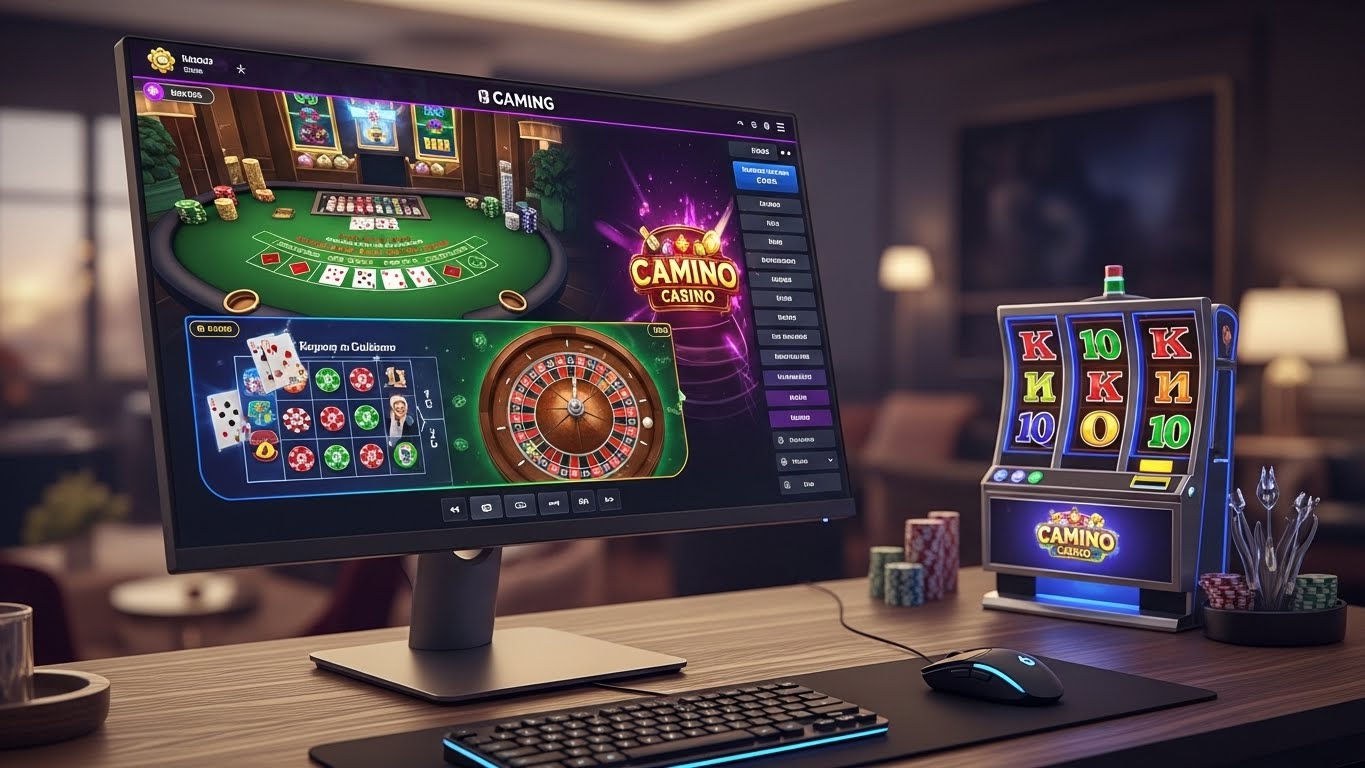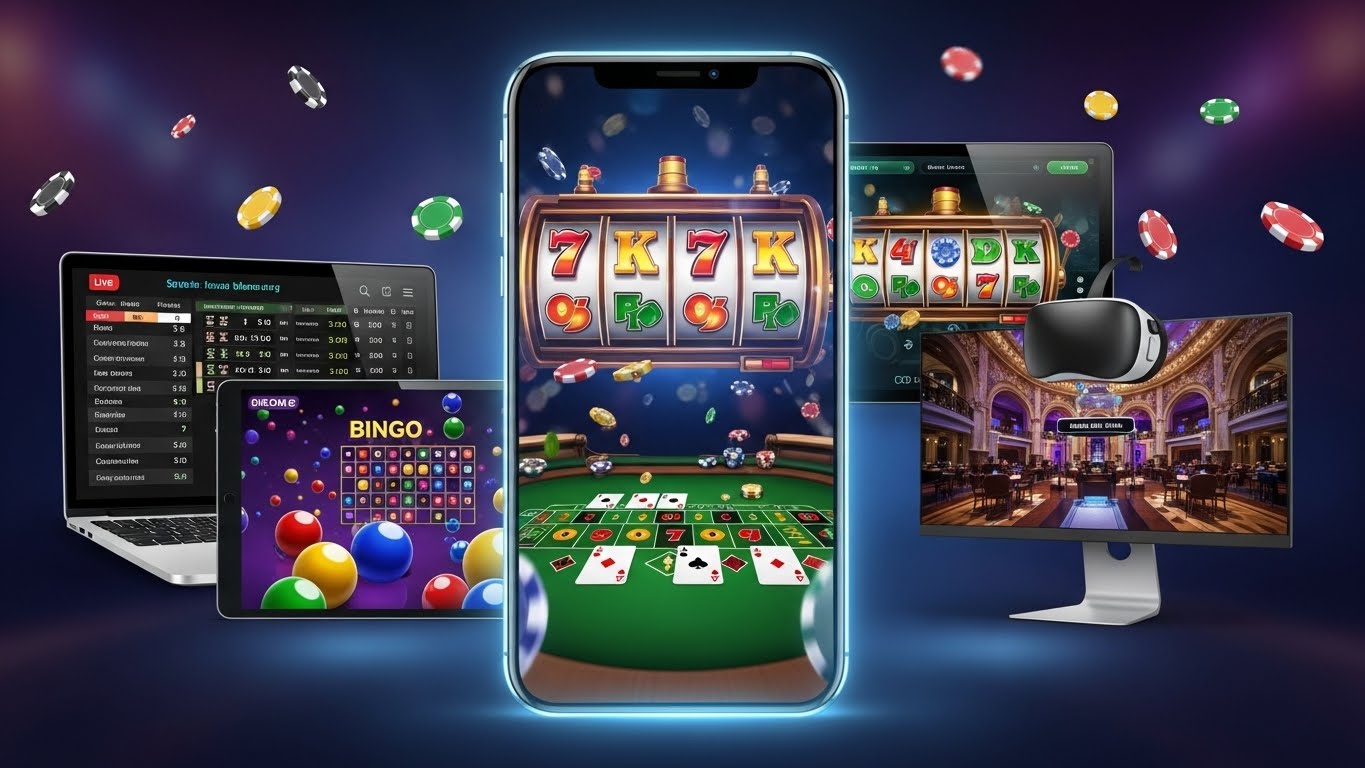


In recent years, the world of online gaming has evolved rapidly, giving birth to an entire industry known as iGaming. This term, short for interactive gaming, refers to gambling and betting activities that take place via the internet. iGaming encompasses a wide range of activities, from traditional casino games like blackjack and poker to sports betting and virtual slots. In this blog post, we’ll explore the current state of iGaming, its growth trajectory, the technologies shaping it, and what the future holds for this booming industry.
What is iGaming?
iGaming refers to any form of gaming or gambling that takes place through digital platforms. This includes online casinos, virtual sports betting, online poker rooms, fantasy sports leagues, and esports betting. Unlike traditional land-based gambling, iGaming allows players to access their favorite games or place bets from the comfort of their own homes or on-the-go via mobile apps.
The appeal of iGaming is simple: convenience, accessibility, and a diverse range of options. Whether you’re a seasoned gambler or a casual player, there is something for everyone in the world of iGaming. With the internet bringing the gaming experience into living rooms and pockets, the growth of this industry has been exponential.
The Growth and Popularity of iGaming
Over the past decade, the iGaming industry has experienced a rapid rise in both popularity and revenue. According to various reports, the global iGaming market is expected to grow from $60 billion in 2021 to over $100 billion by 2025. Several factors contribute to this meteoric rise.
- Technological Advancements: The rise of high-speed internet, mobile technology, and the development of user-friendly apps have made online gaming more accessible and appealing. Players can now engage in real-time multiplayer games, interact with dealers, and place bets on live sporting events with ease.
- Changing Legislation: Many countries have relaxed their laws surrounding online gambling, making it easier for operators to offer services. For example, the United States has seen a wave of legal reforms that have allowed states to regulate and tax online gaming and sports betting. This shift in policy has opened the door for large-scale operators to enter new markets.
- Global Reach: iGaming platforms can cater to players from all corners of the globe. As long as a player has internet access, they can participate in online gambling, making the market vast and diverse.
- Variety of Games: The sheer range of gaming options available in iGaming is staggering. From traditional casino games like roulette and blackjack to newer and more innovative games such as virtual slots and live dealer experiences, players are spoilt for choice. Moreover, sports betting and esports have brought a new level of excitement to the digital gambling world.
- Bonuses and Promotions: iGaming operators often offer enticing bonuses, such as welcome bonuses, free spins, and loyalty rewards, to attract new players and keep them engaged. These incentives make it easy for players to try new platforms and games without the immediate risk of losing money.
The Technology Behind iGaming
The growth of iGaming wouldn’t be possible without advancements in technology. A number of cutting-edge technologies are shaping the industry, making online gambling more immersive, secure, and engaging. Here are some key technologies driving the future of iGaming:
1. Live Dealer Games
Live dealer games are one of the most significant innovations in the iGaming sector. These games offer a unique, interactive experience that combines the convenience of online gaming with the authenticity of a brick-and-mortar casino. Players can participate in games like blackjack, baccarat, and roulette in real-time, with live dealers streaming from professional studios.
The experience is enhanced by the use of HD video streaming and real-time chat features, enabling players to communicate with the dealers and other participants. This interaction makes online gaming feel more like a traditional casino environment, which is particularly appealing to players seeking a social gaming experience.
2. Mobile Gaming
With the rise of smartphones and tablets, mobile gaming has become a cornerstone of the iGaming industry. More and more players are accessing online casinos and placing sports bets through their mobile devices. Mobile apps offer a seamless gaming experience, with user interfaces designed for smaller screens, touch controls, and faster load times.
Mobile gaming allows players to enjoy their favorite games on the go, whether they’re commuting to work, waiting in line, or lounging at home. The growing popularity of mobile gaming is one of the key drivers behind the global expansion of iGaming.
3. Virtual Reality (VR) and Augmented Reality (AR)
Virtual reality (VR) and augmented reality (AR) are technologies that have the potential to revolutionize the iGaming industry. VR creates fully immersive 3D environments, while AR overlays digital information on the real world. Both technologies are being integrated into online casinos and gaming platforms to offer more interactive and engaging experiences.
For example, VR casinos allow players to enter a virtual world where they can interact with dealers and other players in real-time, as if they were in a physical casino. Similarly, AR could be used to create interactive slot machines or offer real-time data overlays for sports betting.
4. Blockchain and Cryptocurrency
Blockchain technology and cryptocurrencies are becoming increasingly popular in the iGaming world. Cryptocurrencies like Bitcoin and Ethereum offer players a secure, anonymous, and decentralized way to deposit and withdraw funds. Blockchain ensures transparency and fairness in gaming, as every transaction is recorded on an immutable ledger.
For iGaming operators, blockchain offers a way to streamline transactions and reduce the costs associated with payment processing. Furthermore, blockchain can help combat fraud and ensure that games are fair, as it provides a transparent and tamper-proof system for managing bets and payouts.
The Impact of iGaming on Traditional Gambling
The rise of iGaming has had a significant impact on traditional, land-based gambling. While brick-and-mortar casinos and sportsbooks are still popular, many players now prefer the convenience of online gambling. This shift in consumer behavior has forced traditional gambling establishments to adapt by offering online options themselves.
Many major casinos have launched their own online platforms to compete with iGaming operators, and several are integrating live dealer games into their offerings. This convergence between traditional and online gambling is expected to continue as more players turn to digital platforms for their entertainment.
Regulatory Challenges and Responsible Gaming
As with any industry, iGaming faces regulatory challenges. The legality of online gambling varies widely from country to country, and regulations continue to evolve. Some nations have embraced iGaming and implemented robust regulatory frameworks, while others have banned it outright or impose strict restrictions.
Ensuring fairness and transparency is also a concern for iGaming operators and regulators alike. Players must be assured that the games are not rigged, and their personal information is protected. This is where third-party auditing agencies come into play. Reputable online casinos are regularly audited for fairness and security by independent agencies.
Responsible gaming is another key issue within the iGaming industry. As gambling becomes more accessible, there is a growing concern about addiction and problem gambling. Many iGaming platforms now offer tools to help players set deposit limits, self-exclude, and access support for gambling addiction. Governments and regulators are also taking steps to promote responsible gaming practices, ensuring that players can enjoy gambling as a form of entertainment without putting their financial well-being at risk.
The Future of iGaming
The future of iGaming looks incredibly promising. As the industry continues to evolve, we can expect to see several trends and innovations shaping its trajectory:
- Increased Use of AI: Artificial intelligence (AI) is already being used in iGaming to personalize gaming experiences, detect fraudulent activity, and improve customer service through chatbots. In the future, AI could be used to create even more immersive and adaptive gaming experiences, where the gameplay adapts in real-time to the player’s preferences.
- Expansion of Esports Betting: Esports betting is gaining momentum, with more fans and bettors engaging with online gaming platforms. As esports continues to grow in popularity, the iGaming industry will see more opportunities for integrating esports betting into mainstream platforms.
- Regulated Growth: As the legal landscape around online gambling continues to evolve, more regions will likely introduce regulations to govern the industry. This could lead to a more standardized and regulated global iGaming market, ensuring player safety and transparency.
- New Game Formats: The development of new and innovative game formats is always on the horizon. Whether it’s unique variations of traditional casino games or entirely new forms of interactive gambling, the future of iGaming will be shaped by creative minds pushing the boundaries of digital entertainment.
Conclusion
iGaming is an exciting, fast-growing sector that is transforming the landscape of gambling and entertainment. With technological innovations, regulatory changes, and a growing global audience, the industry is set to continue expanding at an exponential rate. Whether you’re a player seeking a new way to gamble or an operator looking to tap into the digital market, iGaming offers a world of possibilities. As the future unfolds, we can expect even more exciting developments in this ever-evolving digital space.