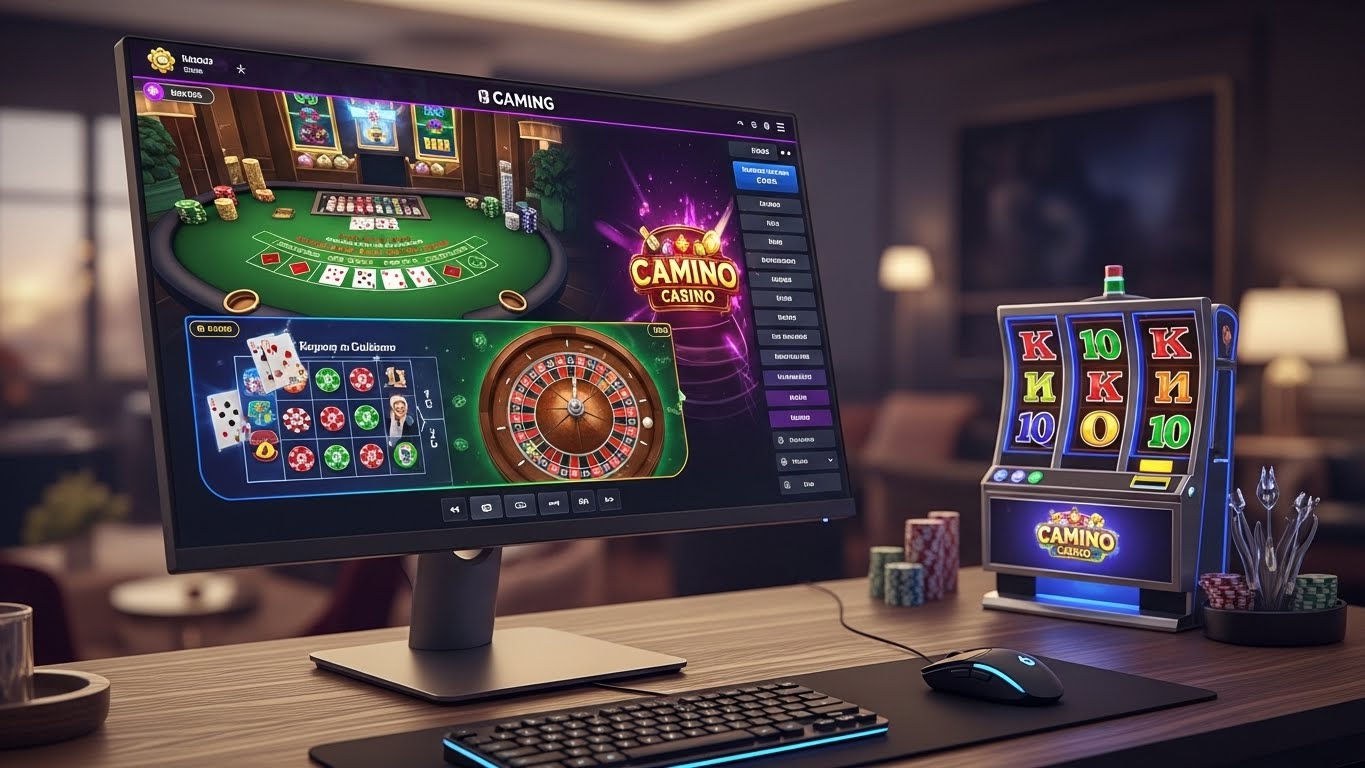


The iGaming industry has undergone a massive transformation over the past two decades. What began as a niche market for online casinos and sports betting has now evolved into a global entertainment phenomenon. Today, millions of players worldwide engage in online gambling, whether through poker, sports betting, or virtual slot machines. This blog post will dive into the rapid growth of the iGaming sector, its various sub-sectors, the technologies driving it, the regulatory challenges it faces, and the future trends that will shape the industry.
The Rise of iGaming: A Global Revolution
The term “iGaming” refers to any form of gambling or gaming that takes place on the internet. This includes traditional casino games like blackjack and roulette, sports betting, online poker, bingo, and even eSports betting. The rise of the internet in the late 1990s paved the way for online gambling, but it wasn’t until the early 2000s that iGaming started gaining significant traction.
The early days of iGaming were marked by the introduction of the first online casinos, such as InterCasino, which launched in 1996. These early platforms offered basic versions of traditional casino games, which were soon followed by poker rooms and online sports betting websites. The accessibility of the internet and the development of secure online payment systems contributed to the industry’s early success.
Over time, more players joined the digital gambling space, and the iGaming sector rapidly expanded. The global market size of iGaming in 2023 is estimated to be over $70 billion, with projections suggesting it will continue to grow at a compound annual growth rate (CAGR) of more than 10% over the next few years.
Key Segments of the iGaming Industry
The iGaming sector is incredibly diverse, with several sub-sectors catering to different interests and forms of entertainment. Here are some of the major categories within iGaming:
- Online Casino Games: This is perhaps the most well-known aspect of iGaming, with thousands of virtual casinos offering players the chance to gamble on games such as slots, blackjack, poker, and roulette. The rise of live dealer games has further enhanced the experience, bringing players closer to the feeling of playing in a physical casino.
- Sports Betting: Online sports betting has exploded in popularity in recent years. Bettors can wager on a wide variety of sports, ranging from football and basketball to more niche markets like eSports and virtual sports. Legalization efforts in several jurisdictions, including the United States, have further fueled the growth of this segment.
- Online Poker: Online poker remains one of the most iconic forms of iGaming. The game, which gained global popularity through platforms like PokerStars and PartyPoker, allows players to compete in tournaments and cash games from the comfort of their homes. The online poker community is known for its passionate players and large-scale competitions, including the World Series of Poker (WSOP) and online equivalents.
- eSports Betting: The rise of eSports has had a significant impact on the iGaming industry. As competitive video gaming has grown into a multi-billion-dollar industry, betting on eSports events has become an increasingly popular activity. This segment appeals to a younger demographic and offers a fresh and exciting alternative to traditional sports betting.
- Virtual Sports: Virtual sports are computer-generated simulations of real-world sports events. These games are often available 24/7, allowing players to place bets on virtual football, horse racing, and other events. The fast-paced nature of virtual sports has attracted a large following, particularly in regions where traditional sports betting is not available.
Technologies Fueling the iGaming Industry
One of the driving forces behind the exponential growth of iGaming is the rapid advancement of technology. Several technological innovations have reshaped the way players interact with online gambling platforms and how operators run their businesses. Here are some of the key technologies that are shaping the future of iGaming:
- Mobile Gaming: The widespread adoption of smartphones has been a game-changer for iGaming. Mobile gaming allows players to access their favorite casino games, sports betting markets, and poker rooms on the go. Many iGaming platforms now offer dedicated mobile apps that enhance user experience and ensure seamless gameplay. This mobile-first approach is crucial, given that mobile gambling is expected to make up the majority of the iGaming market in the coming years.
- Live Dealer Technology: Live dealer games offer an immersive experience by broadcasting real-time video feeds of human dealers managing traditional casino games. This technology bridges the gap between online and land-based casinos, providing players with a more authentic gambling experience. Live dealer games have become increasingly popular, especially in regions like Europe and Asia.
- Blockchain and Cryptocurrency: The advent of blockchain technology has introduced new possibilities for the iGaming industry, especially in terms of transparency and security. Cryptocurrencies like Bitcoin and Ethereum have also gained traction as payment options, offering players faster transactions and greater privacy. Blockchain technology allows for provably fair games, where players can verify the fairness of each game round.
- Artificial Intelligence (AI) and Machine Learning: AI has begun playing an essential role in personalizing the iGaming experience. By analyzing player data, AI algorithms can suggest games based on preferences, monitor player behavior for signs of problem gambling, and enhance customer service through chatbots. AI is also used in fraud detection, ensuring that operators can keep their platforms safe and secure.
- Augmented Reality (AR) and Virtual Reality (VR): While still in its early stages, AR and VR are set to revolutionize the iGaming industry. These technologies offer the potential to create fully immersive virtual casinos, where players can interact with games and other players in 3D environments. This could completely redefine the online gambling experience and attract a whole new audience.
Regulatory Landscape of iGaming
Despite the tremendous growth of iGaming, the industry faces a complex regulatory environment. Each country has its own laws and regulations regarding online gambling, which can vary significantly. Some countries have fully legalized and regulated online gambling, while others have banned it altogether.
- Licensing and Compliance: iGaming operators must obtain licenses from regulatory bodies to ensure they are operating within the law. Popular licensing jurisdictions include the UK, Malta, Gibraltar, and Curacao. These regulatory authorities impose strict requirements on operators regarding fairness, security, and responsible gambling practices.
- Legalization Efforts: In some countries, efforts are underway to legalize online gambling and sports betting. For instance, in the United States, the repeal of the Professional and Amateur Sports Protection Act (PASPA) in 2018 allowed states to regulate sports betting at the state level. As a result, several states have already legalized online sports betting, and others are likely to follow suit.
- Consumer Protection and Responsible Gambling: One of the key challenges for regulators is ensuring that iGaming platforms operate responsibly and protect vulnerable players. Many regulatory bodies require operators to implement responsible gambling measures, such as self-exclusion programs, age verification, and tools to set deposit limits. Ensuring fairness and preventing fraud are also critical aspects of regulation.
The Future of iGaming: Emerging Trends and Opportunities
Looking ahead, the iGaming industry is expected to continue evolving rapidly. Several trends are emerging that will shape the future of online gambling:
- Mobile-First Gambling: As mobile gaming continues to dominate, operators will increasingly focus on optimizing their platforms for mobile devices. Enhanced mobile user experiences and the development of apps for both iOS and Android will be key to staying competitive in the market.
- Integration of New Payment Methods: With the rise of digital currencies and e-wallets, iGaming operators are expanding the range of payment options they offer. Players are now able to use cryptocurrencies, e-wallets like PayPal and Skrill, and even mobile payment solutions to fund their accounts.
- Personalized Gambling Experiences: As AI and big data technologies advance, online casinos and sports betting platforms will offer more personalized experiences. Tailored promotions, game recommendations, and loyalty programs will be increasingly common.
- Increased Focus on Safety and Security: With growing concerns around data breaches and cyber threats, iGaming operators will continue investing in cybersecurity measures. Blockchain technology may also play a larger role in ensuring secure and transparent transactions.
- Integration of Social Features: Social gaming is becoming more prevalent, with features like in-game chat, leaderboards, and multiplayer experiences gaining popularity. These social elements could encourage players to engage more deeply with iGaming platforms, leading to greater retention and community-building.
Conclusion
The iGaming industry has come a long way from its humble beginnings in the late 1990s. Today, it is a multi-billion-dollar global industry that continues to grow and evolve, driven by technological advancements, regulatory changes, and shifting consumer preferences. As new trends emerge and technologies like mobile gaming, blockchain, and VR take center stage, the future of iGaming looks incredibly bright.
For both operators and players, the opportunities in this rapidly expanding market are endless. However, it is essential for regulators, operators, and consumers to ensure that the growth of iGaming is done in a responsible and ethical manner. By keeping player safety and fairness at the forefront, the iGaming industry can continue to thrive and provide entertainment for millions around the world.