
Introduction
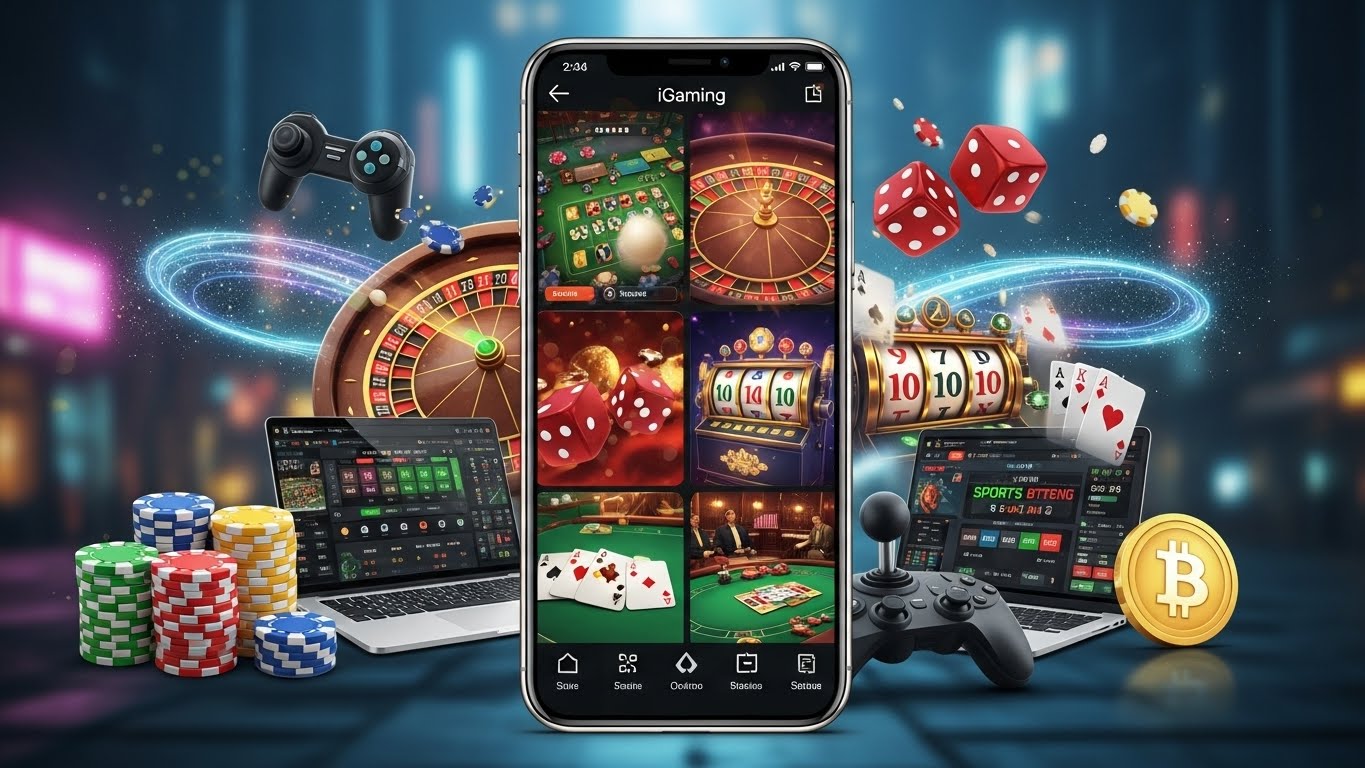
iGaming, or interactive gaming, has transformed the gambling and entertainment landscape in the digital age. Unlike traditional gambling, which takes place in casinos or betting shops, iGaming allows players to participate in a wide array of games online, from poker and blackjack to slots and sports betting. The convenience, accessibility, and innovation within iGaming have made it one of the fastest-growing sectors in the entertainment and gambling industries. This blog explores the evolution of iGaming, its impact on society, the technology driving it, and what the future holds for this digital phenomenon.
The Origins and Evolution of iGaming
The roots of iGaming can be traced back to the early days of the internet. In the 1990s, the first online casinos emerged, offering basic digital versions of traditional casino games. Players were drawn to the convenience of gambling from home, eliminating the need to travel to physical locations. As internet speeds improved and technology advanced, iGaming expanded rapidly. Modern platforms now provide live dealer games, interactive slots, virtual sports, and even social gambling experiences. Mobile technology has further propelled iGaming, allowing players to engage in games anytime and anywhere. The evolution of iGaming demonstrates the marriage of technology and entertainment in creating immersive digital experiences.
Why iGaming Appeals to Players
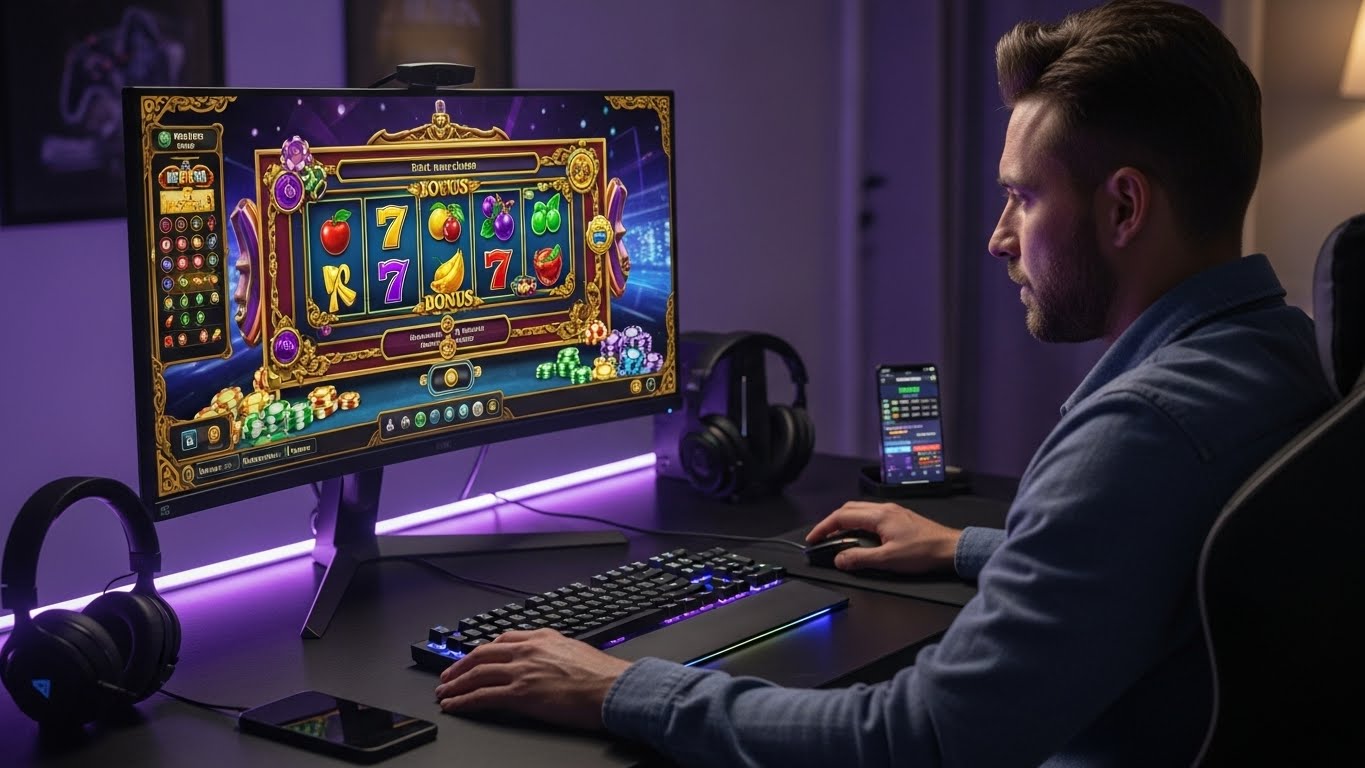
iGaming offers a unique blend of excitement, convenience, and reward. Unlike traditional casinos, players can access a wide variety of games from their devices at any time. The digital format allows for dynamic game design, immersive graphics, and interactive features that enhance the gaming experience. Additionally, iGaming often includes incentives such as bonuses, loyalty programs, and tournaments, which make participation more engaging and rewarding. For many, iGaming is not just about winning money—it is about strategy, entertainment, and social interaction within a virtual space.
Technological Innovations Driving iGaming
The growth of iGaming has been fueled by technological innovation. Advanced software platforms enable real-time gameplay, secure transactions, and interactive interfaces. Random number generator technology ensures fairness in digital games, while live streaming allows players to experience real-time interaction with dealers. Mobile applications and responsive websites have made gaming accessible on smartphones and tablets. Emerging technologies, such as virtual reality and augmented reality, promise even more immersive experiences, allowing players to feel as if they are inside a casino or sports arena. Technology ensures that iGaming remains engaging, secure, and continually evolving.
iGaming and Responsible Gambling
With the rise of digital gambling, responsible gaming practices have become increasingly important. iGaming platforms now implement tools that help players manage their behavior, including deposit limits, self-exclusion options, and activity tracking. Education on gambling risks is essential to prevent addiction and financial harm. By promoting responsible play, the iGaming industry seeks to provide entertainment while prioritizing the safety and well-being of its users. Responsible gambling ensures that the excitement of iGaming remains sustainable and enjoyable for everyone.
Social and Community Aspects of iGaming
iGaming is not only about individual play—it also has a strong social component. Many platforms offer multiplayer games, tournaments, and chat functions that allow players to interact with one another. Online poker rooms, virtual slot tournaments, and sports betting communities create spaces where players share strategies, celebrate victories, and build friendships. These social aspects transform iGaming from a solitary activity into a communal experience, fostering interaction and engagement across global networks.
Economic Impact of iGaming
The iGaming industry has significant economic implications. It generates substantial revenue for operators and contributes to taxation in many countries. The growth of iGaming has also created employment opportunities in software development, customer support, digital marketing, compliance, and data analysis. Furthermore, iGaming encourages innovation in technology and entertainment, driving the development of new platforms, interactive content, and secure payment systems. Its economic influence extends beyond gaming, impacting technology, finance, and regulatory sectors worldwide.
The Role of Mobile Technology in iGaming
Mobile technology has revolutionized iGaming, making it more accessible and convenient. Players no longer need desktops or laptops to enjoy games—they can participate on smartphones and tablets. Mobile apps provide optimized interfaces, push notifications, and instant access to promotions and live events. This convenience has expanded the player base, attracting younger audiences and casual gamers. Mobile iGaming has also encouraged innovation in game design, with touch controls, quick sessions, and adaptive layouts enhancing user experience.
Regulation and Legal Considerations in iGaming
Regulation plays a crucial role in the iGaming industry. Governments around the world establish rules to ensure fairness, security, and responsible gambling. Licensing requirements, auditing standards, and compliance checks protect players and maintain the integrity of digital platforms. Legal frameworks vary by country, influencing which games can be offered and how platforms operate. Clear regulations build trust among players, reduce fraudulent activity, and encourage sustainable growth within the iGaming sector.
iGaming as a Platform for Innovation
iGaming is at the forefront of digital innovation. Platforms continuously explore new game formats, interactive features, and engagement strategies. Gamification elements, such as achievements, leaderboards, and rewards, enhance player motivation and retention. Artificial intelligence is increasingly used to personalize experiences, offering tailored game suggestions, bonuses, and risk management tools. Blockchain technology is also being explored to provide transparency, secure transactions, and provably fair games. The continuous pursuit of innovation ensures that iGaming remains exciting and competitive.
The Future of iGaming
The future of iGaming looks promising and transformative. Virtual reality casinos and augmented reality betting environments will redefine immersion and player engagement. Artificial intelligence will provide smarter, more personalized experiences while enhancing security and responsible gambling tools. Social and community features will expand, connecting players globally in interactive events and competitions. Mobile and cloud technologies will continue to increase accessibility, allowing seamless gameplay across devices. As technology evolves, iGaming will remain at the intersection of entertainment, innovation, and social interaction.
Cultural Impact of iGaming
iGaming has become a cultural phenomenon, influencing entertainment, media, and lifestyle. Streaming platforms showcase live gameplay, creating entertainment content that attracts millions of viewers. Competitive gaming events and tournaments have become social spectacles, blending sports, entertainment, and community engagement. iGaming has also contributed to the normalization of online gambling in popular culture, making it a widely accepted form of leisure and entertainment. Its cultural influence continues to grow alongside technological and social trends.
Conclusion
iGaming is far more than digital gambling—it is a dynamic and evolving form of entertainment that combines technology, strategy, social interaction, and economic impact. From its origins in early online casinos to modern platforms with live dealers, mobile access, and immersive technologies, iGaming has redefined how people engage with games of chance and skill. It promotes creativity, provides cognitive and social benefits, and drives innovation within the digital entertainment industry. As regulation, technology, and social trends continue to evolve, iGaming will remain a prominent and influential part of global entertainment, offering excitement, engagement, and opportunities for players around the world.